The question "Why is my rotary tool overheating during long runs" is a common concern among users. Many turn to rotary tools for versatility and efficiency, yet extended usage can lead to overheating issues. According to industry research, tools often operate best at specific temperatures, and consistent overheating can significantly shorten their lifespan.
High-performance rotary tools can generate substantial heat due to friction and motor strain. Studies show that excessive heat can lead to motor burnouts and reduced efficiency. Factors such as prolonged operation without breaks, improper loading, and insufficient airflow all contribute to overheating. Professionals recommend allowing tools to cool down during lengthy tasks.
Knowing how to manage your rotary tool's operational conditions is crucial. While rotary tools are designed for durability, they require user awareness regarding their limits. Users must evaluate their working habits and seek solutions to maintain optimal performance, ensuring a Perfect balance between functionality and safety.
Understanding the Mechanism of Heat Generation in Rotary Tools
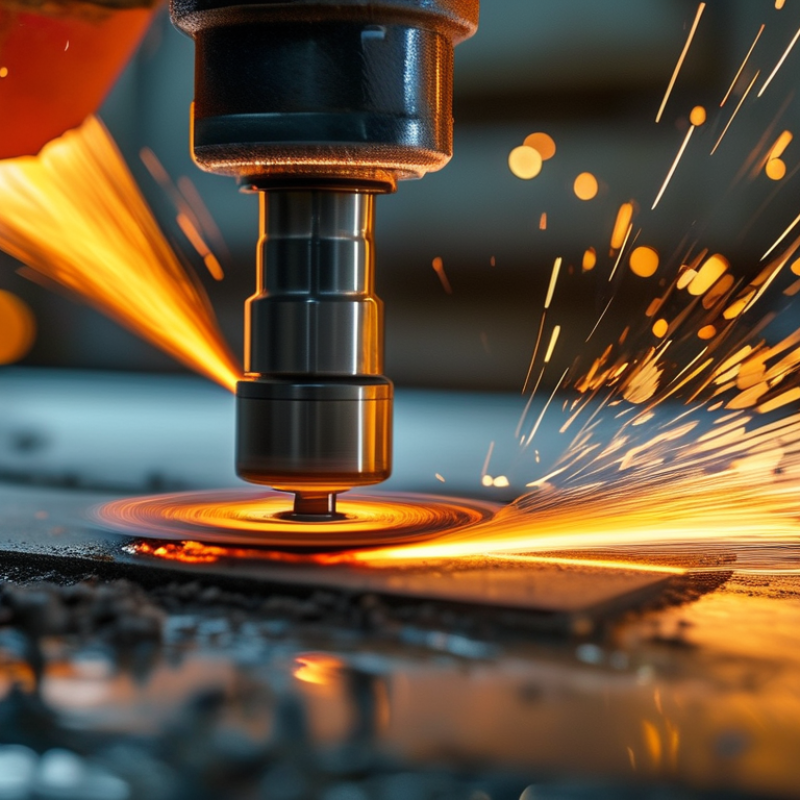
Rotary tools are popular for their versatility. However, extended use can lead to overheating. Understanding the mechanism of heat generation is essential to prevent this issue. The tool's motor generates heat as it converts electrical energy into mechanical energy. This process, while crucial for operation, creates friction. When you run the tool for a long time, heat builds up more quickly than it can dissipate.
Ventilation plays a key role in heat management. Many rotary tools have ventilation holes that help cool the motor. Blocked vents can restrict airflow and cause excessive heat. It’s common to see your tool's exterior becoming too hot during use. This is a signal to pause and let it cool down. Overheating can damage not just the motor, but also the components inside.
Another important factor is the workload placed on the tool. Heavy tasks create more friction, leading to higher temperatures. You may notice this when cutting or grinding tough materials. Choosing the right accessory for the job greatly influences performance and heat generation. If the tool feels too hot, it’s wise to reassess your approach. Take breaks and let the tool cool down. This practice not only extends the lifespan of your rotary tool but also enhances your safety during projects.
Common Causes of Overheating During Extended Use of Rotary Tools
Overheating is a common issue during extended use of rotary tools. One significant cause is inadequate ventilation. These tools often require proper airflow to cool down. When used for extended periods, the cooling system fails. Dust and debris can also block ventilation openings, exacerbating the problem.
Another factor is user technique. Excessive pressure on the tool can increase friction, leading to additional heat generation. Using the wrong speed setting for the task can further contribute to overheating. It's essential to adjust settings according to the material being worked on. A rotary tool working hard can lead to overheating.
Finally, worn-out components can cause overheating. Bearings or brushes that are damaged may increase resistance in the tool. This situation could lead to inefficiency and excessive heat. Regular maintenance can help ensure tools operate within the correct temperature range. Understanding these common causes can help improve tool longevity.
Impact of RPM and Torque on Rotary Tool Overheating Risks
When using a rotary tool for extended periods, overheating can become a significant concern. The RPM (revolutions per minute) and torque settings play a crucial role in how heat accumulates. Higher RPM generally results in more friction, which can generate excessive heat. This is particularly true during demanding tasks, like cutting or grinding hard materials.
Torque is equally important. More torque can lead to a higher load on the motor, increasing the risk of overheating. A tool straining under high torque settings may simply not be designed for prolonged use at that level. Over time, this can degrade the tool’s components, leading to a risk of failure. Understanding these dynamics is essential for both performance and safety.
Tip: Use lower RPM when possible. It may take longer, but your tool will thank you.
Tip: Allow cooling breaks during long jobs. This will extend your tool's life and enhance performance.
Monitoring your tool's temperature often can provide helpful insights. If it feels too hot to touch, take a moment to reassess your settings. Ensure you choose the right speed and torque for the job. It’s easy to overlook these factors when immersed in a task. Consider experimenting with different settings to find what works best for your specific projects. Your tool’s longevity depends on it.
Best Practices for Preventing Overheating in Rotary Tool Operations
Overheating is a common issue with rotary tools during extended use. It can lead to performance issues or even damage. Understanding why this happens can help prevent it. The motor generates heat as it operates, especially under heavy load. If not managed, this heat builds up.
To prevent overheating, keep a few best practices in mind. Regularly clean the tool to improve airflow. Dust and debris can block ventilation, causing the motor to overheat. Taking breaks between long runs allows the tool to cool down. This simple step helps extend the life of your tool.
Using the appropriate speed and pressure is crucial. Pushing too hard can cause excessive friction and heat. Each material requires different settings. If you notice the tool feeling unusually hot, consider adjusting your technique. Also, ensure you’re using the right attachments. Incompatible tools can strain the motor. Stay aware of these factors, and you’ll likely have a smoother experience.
Recommendations for Cooling Techniques and Tool Maintenance During Use
Experiencing overheating during long runs with a rotary tool is common. Factors contributing to overheating include extended use without breaks, excessive load, and insufficient ventilation. Many professionals recommend taking breaks to allow the tool to cool. A short rest every 15-20 minutes can prolong its life significantly.
Proper maintenance can also mitigate overheating. Regularly clean the air vents to enhance airflow. A study from the Tool Safety Alliance states that tools with obstructed vents can overheat 30% faster. Proper lubrication of bearings is crucial, too. Ignoring this can lead to increased friction and temperature.
It’s also important to use the right speed settings. Running the tool at maximum speed on tougher materials can generate excess heat. Adjusting the speed based on material type reduces strain on the tool. Many users overlook these nuances, leading to performance issues. Understanding these cooling techniques is essential for optimal tool operation.
Why Does My Rotary Tool Overheat During Long Runs? - Recommendations for Cooling Techniques and Tool Maintenance During Use
| Issue |
Description |
Cooling Technique |
Maintenance Tip |
| Overheating Motor |
The motor can overheat due to prolonged use without breaks. |
Take breaks every 10-15 minutes to allow the motor to cool. |
Regularly clean dust and debris from vents. |
| High Loads |
Using the tool under high load can increase heat production. |
Reduce the load by using appropriate attachments. |
Ensure that attachments are compatible and not overly worn. |
| Incorrect Speed Setting |
Running at too high a speed for the material can cause excessive heat. |
Match the speed setting to the material type. |
Check manufacturer recommendations for speed settings. |
| Insufficient Lubrication |
Lack of lubrication can lead to increased friction and overheating. |
Apply lubricant appropriate for your tool regularly. |
Follow the maintenance schedule for lubrication frequency. |
| Cooling Placement |
The tool may be placed in an area with poor ventilation. |
Use fans to improve air circulation while working. |
Store the tool in a cool, dry place when not in use. |
FAQS
: Inadequate ventilation is a primary cause. Dust can block airflow, preventing proper cooling.
Excessive pressure increases friction. This can cause more heat during extended use.
Higher RPM generates more friction, which leads to overheating, especially with tough materials.
More torque increases the load, risking overheating if the tool isn't designed for it.
If the tool feels too hot to touch, it may be overheating and need adjustments.
Use lower RPM settings and take regular cooling breaks to help extend your tool’s life.
Regular checks on components can prevent overheating issues. Worn parts increase heat generation.
No, ignoring heat can lead to tool failure. Always monitor temperature during use.
Reassess your settings, reduce pressure, and allow time to cool down. Adjust for better performance.
Yes, trying different speed and torque settings may improve performance and tool longevity.
Conclusion
The article "Why Does My Rotary Tool Overheat During Long Runs?" delves into the underlying mechanisms of heat generation in rotary tools, identifying key factors that contribute to overheating during extended use. It explains that high RPM and excessive torque can significantly increase the risk of overheating, making it essential to understand the relationships between speed and power during operations.
To combat overheating, the article emphasizes best practices such as taking regular breaks, using appropriate attachments, and maintaining proper tool care. Techniques for cooling, like using compressed air or positioning the tool to enhance airflow, are also recommended. By following these guidelines, users can effectively address the question, "Why is my rotary tool overheating during long runs?" ensuring their tools operate efficiently without unnecessary heat buildup.

 Deepit Cutter