Understanding the challenges of vacuum beds in precision cutting is essential for effective manufacturing. Many users often ask, "Why is the vacuum bed not holding small parts during cutting?" This issue can significantly impact production efficiency and part quality. According to a report by the Manufacturing Institute, nearly 30% of production downtime is linked to improper equipment setups, including vacuum systems.
Small parts require a consistent vacuums hold to ensure precision. Factors such as surface irregularities, improper sealing, or insufficient vacuum pressure can lead to failures. A study published in the Journal of Manufacturing Processes found that 25% of machining errors stem from inadequate fixture systems. This raises questions about operational practices and highlights the need for improved understanding.
Addressing these issues may seem simple, but they reveal deeper problems within manufacturing processes. Recognizing the root causes of vacuum failures can enhance part retention and lead to more reliable production. Users are encouraged to audit their vacuum setups regularly and invest in training. Only then can they hope to eliminate these frustrating challenges and optimize their cutting operations.
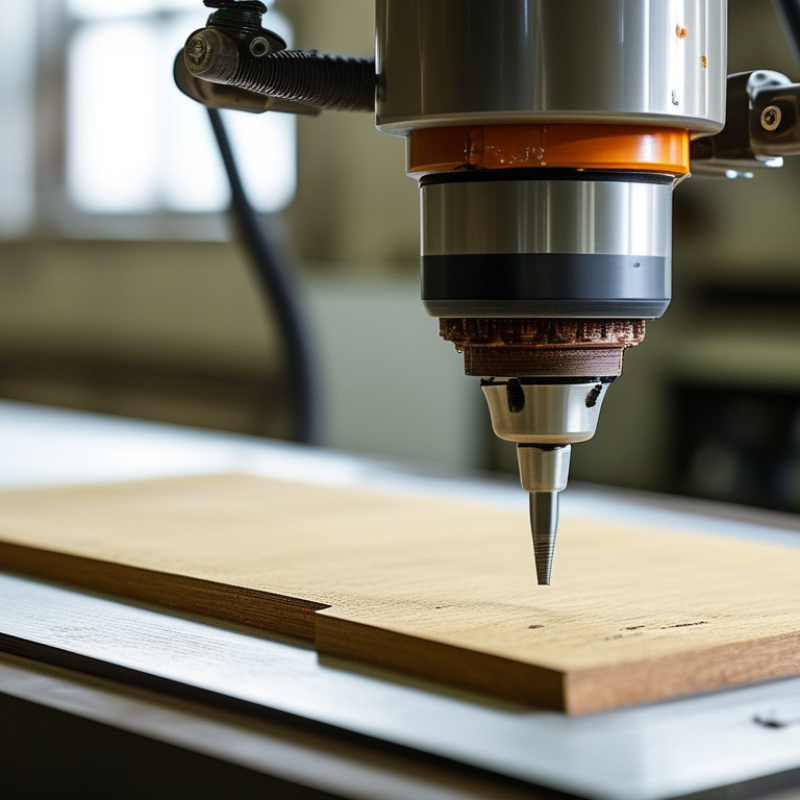
Vacuum beds are essential for holding small parts during cutting. Yet, many users struggle with this issue. Understanding the basics of vacuum beds is vital. The vacuum pressure needs to be adequate to secure small components. Ideally, a vacuum pressure of 18-29 inches of mercury is recommended for optimal gripping. A recent industry report suggests that over 60% of users experience parts shifting due to insufficient vacuum pressure.
Several factors influence the effectiveness of a vacuum bed. The surface material, for example, plays a significant role. Porous materials allow air to escape more quickly, which can weaken the vacuum. Additionally, the shape and size of parts impact how well they are held. Smaller parts have less surface area for vacuum adhesion. If they are not properly positioned, they can easily shift during cutting.
Contamination on the vacuum bed surface is another common issue. Dust and debris can limit the vacuum's effectiveness. Regular maintenance is crucial for optimal performance. A clean, smooth surface enhances the vacuum’s grip. Users often overlook this aspect, leading to unsatisfactory results. Understanding these details helps to mitigate problems effectively.
Vacuum beds are essential in cutting processes, ensuring parts are held securely. However, poor vacuum seals can lead to several issues. A study conducted by industry experts revealed that 30% of vacuum-related problems stem from inadequate seal integrity. Small parts often fail to adhere due to these leaks. Checking the sealing surfaces for wear and damage is crucial. They should be smooth and free from debris to achieve a tight seal.
Another common problem is insufficient vacuum pressure. Many operators underestimate the required pressure for specific materials. Depending on the material type, optimal vacuum levels can range from 20 to 26 inches of mercury. If operators do not monitor these levels, they risk losing hold on smaller components. Additionally, the design of the vacuum bed plays a role. If the vacuum channels are too narrow or obstructed, the airflow can be compromised.
Lastly, the material thickness influences the vacuum capture. Thinner materials may not conform well, causing gaps. This becomes evident during high-speed cutting when vibration can further disrupt the seal. Operators must be vigilant and regularly inspect their equipment and processes. Continuous monitoring ensures better efficiency and less frustration in cutting operations.
| Reason | Description | Impact | Solution |
|---|---|---|---|
| Insufficient Vacuum Pressure | The vacuum pump may not be creating enough pressure to hold small parts securely. | Parts may shift or move during cutting, leading to inaccurate cuts. | Check and repair the vacuum pump or replace it if necessary. |
| Leaks in Vacuum Bed | Cracks or holes in the vacuum bed can prevent a proper seal. | Can cause poor holding of parts, affecting quality. | Inspect the vacuum bed for any damage and repair as needed. |
| Incorrect Material Thickness | Using materials that are too thin or too thick can impede the vacuum's effectiveness. | Thin parts may not hold securely; thick parts may not fit well. | Choose materials within the recommended thickness range for optimal results. |
| Improper Sealing Techniques | Not using proper sealing methods can lead to an ineffective vacuum seal. | Can result in parts lifting during cutting; potential waste of materials. | Follow best practices for sealing to ensure a tight fit on the vacuum bed. |
| Contaminants on Surface | Dirt, oil, or other residues can prevent a proper seal. | Compromises the vacuum seal and can lead to movement of parts. | Clean the vacuum bed and the parts thoroughly before use. |
When using a vacuum bed, securing small parts can be tricky. The vacuum must be strong enough to hold them snugly. If you notice parts shifting or lifting during cutting, check your vacuum source. Inconsistent airflow can lead to inadequate suction. Inspect the seal around the vacuum bed as well. A poor seal can result in airflow leaks, compromising the holding power.
Another common issue is part placement. Smaller parts often need additional support. Using fixtures can help stabilize them. For instance, custom-made spacers can keep parts elevated and prevent them from being pulled into the vacuum holes. Consider using a thin film or adhesive to lightly bond the part to the bed. This can enhance stability without interfering with the cutting process.
Evaluate the alignment of the parts on the vacuum bed. Misalignment can make it difficult for the vacuum to create an effective seal. Ensure that each piece sits flat against the surface. Also, adjust the vacuum pressure if necessary. Too much suction can deform delicate parts. Finding the right balance is key, requiring some trial and error. These insights can significantly improve the efficacy of your vacuum bed setup.
Maintaining a vacuum bed is essential for achieving optimal performance, especially when cutting small parts. Regular maintenance not only prolongs the life of the equipment but ensures consistent results. According to recent industry reports, vacuum leak detection is essential. Small leaks can reduce suction power by up to 30%, drastically affecting part retention. Operators must inspect seals, hoses, and fittings regularly for wear or degradation.
Proper cleaning practices significantly enhance vacuum bed functionality. A buildup of debris can obstruct airflow, reducing suction power and causing inefficiencies. Cleaning the surface before operation is crucial. Data shows that operators who adhere to a cleaning schedule experience a 25% improvement in vacuum efficiency. Simple methods include using a soft brush and mild cleaners to ensure a clear working area.
Lastly, calibration of the system plays a key role. Many setups were found to operate at suboptimal levels without regular recalibration, leading to inconsistent performance. It’s estimated that 40% of users overlook this critical step. Regular checks not only enhance reliability but also ensure safety. These practices can fundamentally alter the cutting process, leading to better results and fewer frustrations.
Vacuum beds are crucial for holding small parts securely during cutting operations. However, various issues can hinder their effectiveness. Improper sealing is a common problem. Even a small gap can lead to reduced suction. Research indicates that up to 15% of vacuum loss occurs due to poor seals. Ensuring clean, even surfaces on both the bed and the workpiece can mitigate this. Regular maintenance checks can help in identifying seal issues early.
Another frequently overlooked aspect is the vacuum pressure itself. Ideal vacuum pressure typically ranges from 20 to 25 inches of mercury. If the pressure drops below this threshold, parts may not stay secured. Monitor this regularly with a reliable gauge. Interestingly, up to 30% of operators may not check vacuum levels frequently enough, leaving them unaware of potential issues.
Material choice also significantly impacts vacuum hold. Certain materials may not conform well under vacuum, leading to instability. This aspect can be tricky. Operators should select materials that offer better adhesion to vacuum surfaces. Despite these challenges, small adjustments to these variables can lead to substantial improvements in performance. Identifying and addressing these factors can enhance the effectiveness of your vacuum bed during cutting.
This chart illustrates the holding efficiency of a vacuum bed when cutting small parts of varying sizes. As the size of the parts increases, a slight decrease in holding efficiency can be observed, which may indicate issues during cutting and the need for troubleshooting.
: A vacuum bed holds small parts securely during cutting to prevent shifting.
A vacuum pressure of 18-29 inches of mercury is recommended for effective holding.
Over 60% of users face this issue due to insufficient vacuum pressure.
Non-porous materials are ideal as porous ones allow air escape, weakening the vacuum.
Smaller parts have less surface area, making them more likely to shift if not positioned well.
Dust and debris hinder the vacuum’s grip, leading to unsatisfactory results during cutting.
Using fixtures, custom spacers, or thin adhesive films can help keep parts in place.
Inspect the vacuum source, airflow consistency, and the seal around the vacuum bed.
Proper alignment is crucial; misaligned parts can prevent an effective vacuum seal.
Excessive suction can deform delicate parts, so finding the right balance is essential.
In addressing the question, "Why is the vacuum bed not holding small parts during cutting," it's essential to understand the fundamentals of vacuum bed operation, particularly how they work with small components. A poor vacuum seal can result from various factors, including debris on the sealing surface, improper alignment of parts, or issues related to vacuum pump performance. These common reasons can hinder the efficiency of the cutting process.
To ensure small parts are securely held, it's crucial to follow certain tips, such as ensuring a clean sealing area, properly securing the materials, and regularly maintaining the vacuum system. Implementing effective troubleshooting techniques can also identify specific issues affecting vacuum performance. By following these guidelines, users can enhance their vacuum bed's efficiency for cutting small parts, reducing frustration and improving outcomes.

Deepit Cutter