Top 10 Materials That Require a Driven Rotary Tool?

Time:2026-05-13 Author:Charlotte
0%

When tackling various projects, understanding what materials require a driven rotary tool is essential. These versatile tools often excel in a range of applications. From metalwork to woodworking, they play a vital role in achieving precision and efficiency.

Different materials, such as wood, plastic, and ceramics, each require specific types of rotary bits. For example, hardwood demands sharper bits to cut cleanly. Soft plastics, on the other hand, can melt if the speed is too high. This shows the necessity of choosing the right attachment for the work at hand.

However, selecting the appropriate material and tool can be confusing. Experience is crucial in navigating this landscape. Misjudging the material may lead to inefficiency or damage. Thus, understanding what materials require a driven rotary tool not only enhances your skills but also ensures better results.
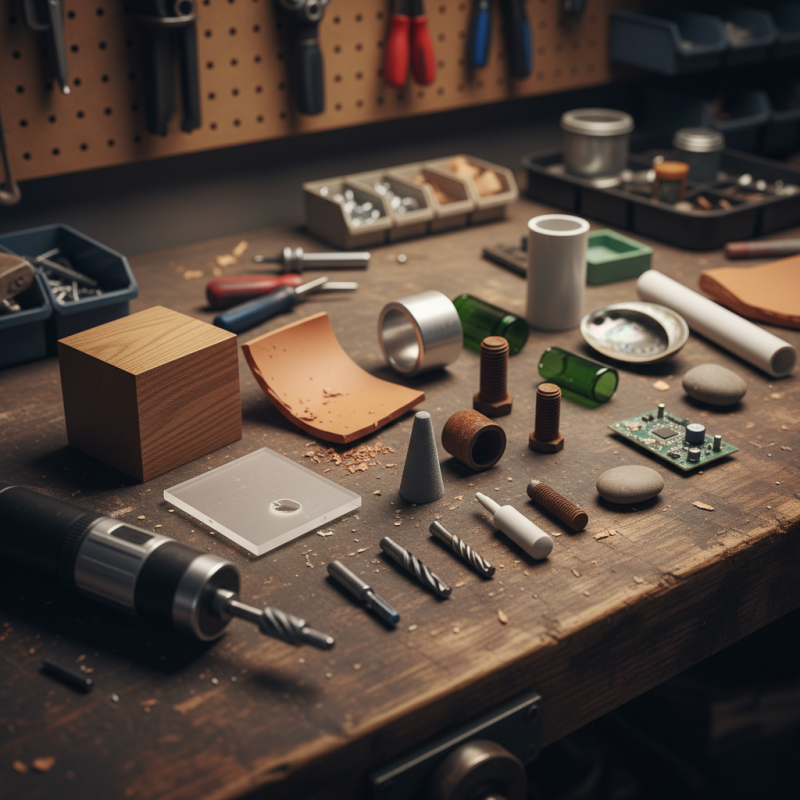
Top 10 Materials That Require a Driven Rotary Tool?

Top 10 Materials for Optimal Use with a Driven Rotary Tool

When using a driven rotary tool, some materials shine brighter than others. Wood is a prime choice. Its softness allows for easy shaping and carving. You can create intricate designs or smooth edges effortlessly. Additionally, plastics are another excellent option. The versatility of different plastic types gives you various applications, from hobby projects to professional tasks.

Tips: Always start with a low speed when working on plastics. This prevents melting and ensures a clean finish. Experiment with different bits to see which works best for your specific project.

Metals like aluminum and brass are also compatible. They require more skill, but the results can be stunning. A rotary tool can cut, grind, or polish these metals, offering a range of possibilities. However, it’s essential to apply steady pressure and be patient. Overworking the tool can lead to overheating.

Tips: Keep your workspace organized while working with metals. This minimizes distractions and potential accidents. Don’t forget to wear proper safety equipment, especially goggles. They protect you from flying debris.

Understanding the Versatility of Driven Rotary Tools

Driven rotary tools are highly versatile and essential in various applications. They can efficiently work with materials like wood, metal, glass, and plastic. The ability to switch attachments allows users to adapt quickly to different tasks. Crafting intricate designs in wood or making precise cuts in metal demonstrates the tool's adaptability.

However, using these tools effectively requires practice. Beginners may need time to master speed and pressure. Too much force can damage materials. Proper technique ensures cleaner results and reduces waste. For hobbyists and professionals alike, honing skills with driven rotary tools opens up endless creative possibilities. Understanding the material's characteristics is crucial for achieving the desired outcome.

Material Characteristics That Influence Tool Selection

When selecting a driven rotary tool, understanding material characteristics is crucial. Different materials demand different approaches. For instance, hard metals like steel require precise cutting edges. The right rotary tool, equipped with the correct attachments, can create smooth finishes in tough materials. Each type of metal has its own hardness level, influencing the tool’s RPM and torque.

In contrast, softer materials, such as plastics or wood, present unique challenges. While they are easier to work with, they can deform without proper techniques. Choosing a tool for these materials means considering factors like heat generation and abrasive wear. Fine bits are ideal for delicate cuts, but they can wear out quickly. Balancing speed and pressure becomes essential.

Then there are composites, which blend both hard and soft characteristics. These require careful tool selection to avoid delamination. Even beginners may find it hard to master the finesse needed. The variability in material behavior adds complexity. Experimentation might lead to unexpected results, prompting reflection on effective techniques. Understanding these nuances helps in making informed choices when using rotary tools.

Techniques for Working with Various Materials

When working with materials like wood or metal, a driven rotary tool can be a game changer. It’s essential to match techniques with the material's properties to achieve the best results. For wood, a sanding drum offers an effective way to smooth surfaces, while carving bits can help create intricate designs. Remember, wood can splinter. Always test your approach on scrap first.

When it comes to metal, precision is key. Using cutting wheels allows for clean edges, but proper technique is crucial. Apply light pressure to avoid overheating the material. Aluminum is softer, making it easier to manage. However, stainless steel requires patience. Use a slower speed and avoid rushing to prevent damage. Each material behaves differently.

It’s easy to overlook safety. Always wear proper gear, such as goggles and gloves. Mistakes are part of the learning process. Sometimes, a technique might not work as planned. Reflecting on these moments is important. Adjustments lead to improved skills. Ultimately, practice can enhance both technique and outcome. Each project builds experience, shaping future success.

Top 10 Materials That Require a Driven Rotary Tool

Material Common Uses Recommended Bit Type Technique
Wood Furniture making, carving Carbide-tipped bits Use a steady hand and low speed for detailed work.
Plastic Model making, prototyping High-speed steel bits Keep RPM high to avoid melting.
Metal Fabrication, repairs Diamond or metal cutting bits Use appropriate lubricant to prevent overheating.
Ceramics Tiles, sculptures Diamond-tipped bits Score the surface before full drilling.
Glass Decorative pieces, repairs Diamond drill bits Use water to cool the bit and prevent cracking.
Stone Landscaping, sculptures Masonry bits Work slowly and use water to reduce dust.
Leather Crafting, repairs Leather cutting bits Cut with light pressure to avoid tearing.
Rubber Seals, custom parts Spiral bits High speed recommended for clean cuts.
Composite Materials Aerospace, automotive Specialized composite bits Avoid overheating and ensure proper support.

Safety Considerations When Using a Rotary Tool on Different Materials

Using a rotary tool can be exciting and rewarding. However, safety should always be your top priority. Different materials require varying levels of care. For example, when cutting metal, wearing safety goggles is essential to protect your eyes from sparks and shavings. Proper ventilation is also crucial, as fumes can be harmful.

When working with wood, watch for splinters. A mask can help prevent inhalation of dust. Soft materials like plastic can melt if the tool is overheated. Keep a steady hand and avoid applying too much pressure. Slipping can lead to accidents and injuries; always focus on your grip and angle.

Using a rotary tool safely also involves maintaining your equipment. Regularly check for wear on your bits and attachments. Replace damaged tools immediately. Be cautious of your surroundings, ensuring you have ample space and no distractions. The journey towards mastering the rotary tool is filled with learning experiences, but each step requires reflection and a commitment to safety.

FAQS

: What materials can I use with a rotary tool?

: You can use wood, plastic, metal, glass, and more. Each material offers unique possibilities.

Is wood a good choice for a rotary tool?

Yes, wood is soft and easy to shape. You can carve intricate designs with it.

What should I do when working with plastics?

Start with a low speed to prevent melting. Experiment with different bits for best results.

How do I work with metals safely?

Wear safety goggles to protect your eyes. Steady pressure is important to avoid overheating the tool.

What are some safety tips for using a rotary tool?

Keep your workspace organized. Regularly check your bits. Always focus on your grip and angle.

How can I improve my skills with a rotary tool?

Practice is essential. Learn to control speed and pressure to prevent damaging materials.

Why should I wear a mask when working with wood?

Masks can help prevent inhaling dust, which can be harmful to your lungs.

What happens if I apply too much pressure?

Overapplying pressure can damage your materials or the tool. Be patient and take your time.

What should I do if my tool overheats?

Stop working and let it cool down. Using it too long can lead to damage.

How can I have a safer workspace?

Ensure you have enough space. Remove distractions and keep tools organized for better focus.

Conclusion

A driven rotary tool is an essential instrument for various crafting and DIY projects, making it crucial to understand what materials require a driven rotary tool for optimal results. The versatility of these tools allows them to work effectively on a range of materials, including wood, plastic, metal, ceramic, and glass. Knowing the characteristics of each material, such as hardness and texture, can influence tool selection and determine the techniques used for effective crafting.

When handling different materials, it's vital to implement appropriate techniques to ensure precision and safety. This includes adjusting the speed settings and selecting the right attachments for each application. Furthermore, safety considerations, such as wearing protective gear and maintaining a stable posture, are paramount when using a rotary tool to minimize risks and enhance performance. Understanding these aspects will ensure a successful and safe experience while utilizing a driven rotary tool across various materials.

Charlotte

Charlotte

Charlotte is a seasoned marketing professional with a deep understanding of the company's portfolio and a passion for elevating its presence in the market. With a keen eye for detail and a commitment to excellence, she ensures that our professional blog is regularly updated with insightful articles......