Choosing between a tangential knife and a drag knife can change how cleanly a cutter handles corners, small lettering, and thick sheet materials. The difference is mechanical. A drag knife trails behind the cutting head, so the material or toolpath must account for blade offset. A tangential knife actively turns the blade to match the cutting direction. That can produce more controlled starts and corners. It is not magic.
What are the advantages of tangential knives over drag knives? In many applications, the answer is sharper corners, more consistent detail, and better control when cutting dense or layered materials. Picture a small square corner in corrugated board: a drag blade may round it slightly, while a well-set tangential system can turn more precisely. The result still depends on blade condition, tool settings, material thickness, and machine calibration.
There are trade-offs. Tangential systems often involve more moving parts, setup, and cost, while drag knives can be simpler and efficient for flexible films or straightforward outlines. A worn blade can spoil either cut. In this 2026 comparison, we will look at how the two approaches behave in real production tasks, where each performs well, and what operators should check before choosing. Some results may surprise you. A test cut on your own material is still worth doing.
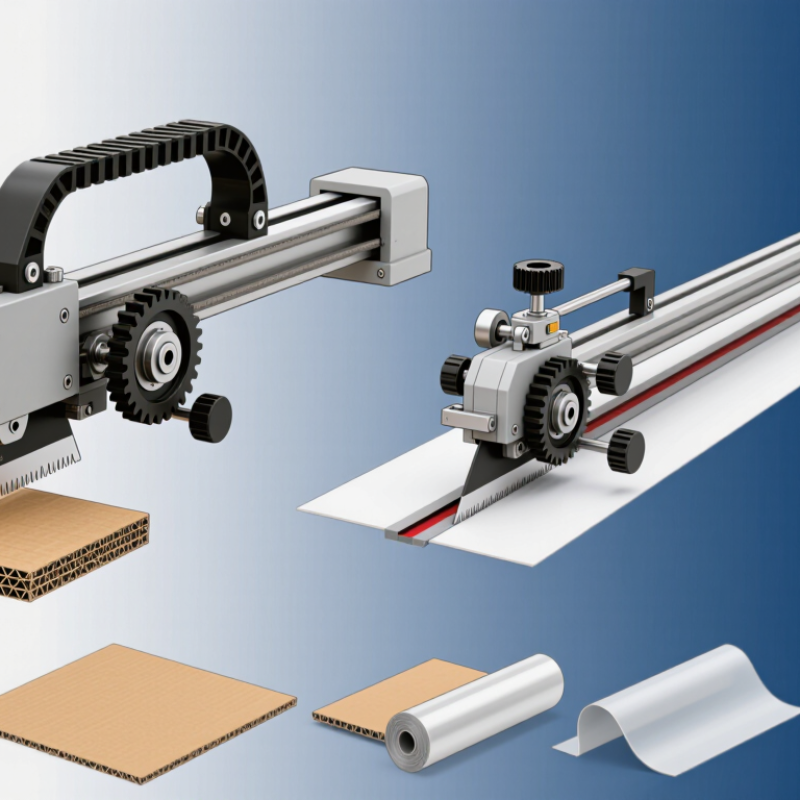
A tangential knife actively turns its blade to match the cutting direction. At a tight corner, the machine can rotate the blade before continuing the cut. This helps produce defined corners in thicker or layered sheet materials. It also adds moving parts and requires coordinated control.
A drag knife works differently. Its blade swivels passively as the cutting head moves, much like a caster wheel. The setup is simpler and often suits thin films, paper, and flexible textiles. Yet the blade can pull material at sharp turns. Small details may look less crisp.
The material itself matters. Textile Exchange’s Materials Market Report 2024 estimates that global fiber production reached 124 million tonnes in 2023, up from 116 million tonnes in 2022. That figure describes industry scale, not knife performance. It does, however, show why accurate cutting and material handling matter across textile workflows.
A practical comparison should test the actual fabric, backing, blade depth, and corner radius. Watch for lifted fibers and distorted edges. I still find that “clean cut” can be a subjective standard. One overlooked variable is blade wear; even a suitable knife may leave rough edges when its tip dulls.
A drag knife cuts as the machine pulls its blade through the material. The blade swivels freely, following the direction of travel. Simple in principle. Because its tip trails behind the holder, the software must compensate for blade offset at corners and line starts. On thin vinyl or paper, a sharp blade and light pressure can produce clean edges. Too much depth may score the cutting mat, while too little leaves small shapes attached. A test cut helps reveal the right settings before a full sheet is used.
A tangential knife uses a controlled rotation axis to turn the blade toward each new cutting direction. The blade stays aligned with the path, including through tighter corners and curves. This added control can help with thicker or stiffer materials, though it also brings more setup complexity. Watch for small scraps lifting or corners showing tiny tags; either can signal an unsuitable blade angle, speed, or depth. Results still depend on material, blade condition, and machine calibration. It is worth checking an actual sample, since settings that work on one sheet may not transfer cleanly to another.
A tangential knife controls blade direction with a dedicated rotary axis. Unlike a drag knife, it turns the blade to match the toolpath instead of relying on the blade’s trailing pivot. This gives the cutter more control at tight corners, small lettering, and detailed shapes. On thicker card, gasket sheet, or dense foam, that control can help produce cleaner edges and more consistent corners. The difference is easiest to see on a sharp turn: a drag knife may leave a small hook, while a tangential system can rotate the blade before continuing.
The advantage is not automatic perfection. Material thickness, blade condition, cutting speed, and setup still affect the result. Tangential systems also add mechanical complexity, so calibration and maintenance matter. For simple, broad shapes in thin film, a drag knife may be perfectly adequate. I would test both methods on the actual material; a sample cut often reveals more than a specification sheet.
Tips: Check corner quality, small details, and waste removal on a test piece. Keep the blade sharp, and confirm it is properly aligned. If edges look ragged, slow the cut or review the tool settings. Small adjustments can make a noticeable difference.
Key Advantages of Drag Knives
A drag knife cuts as its blade trails the machine’s movement, making the mechanism relatively simple. It suits thin materials such as adhesive film, paper, and flexible packaging. For these jobs, a sharp blade can produce clean contours without a powered blade-rotation system. Setup is often straightforward, and replacing a worn blade usually takes little time. That matters.
Drag knives can also work efficiently on repeated shapes and detailed outlines. Their compact cutting action helps limit unnecessary force on delicate sheets. With suitable pressure and blade exposure, the knife may cut the material while leaving the backing intact. However, tight corners and thicker stock can challenge a trailing blade. Results depend on material, blade condition, and machine settings. I would not assume one setup works for every job; small test cuts are worth the time.
Tips: Keep blade exposure minimal, secure the sheet flat, and check the cut depth on a scrap piece. If corners look rounded or the film lifts, reduce speed or reconsider whether a tangential knife offers better control. A slightly imperfect test cut can reveal more than guesswork.
| 2026 Best Tangential Knife vs Drag Knife: Key Advantages of Drag Knives | ||
|---|---|---|
| Comparison Dimension | Drag Knife | Tangential Knife |
| Blade orientation | The blade swivels freely and is pulled through the material by the cutter's movement. | A powered axis actively turns the blade to align it with the cutting direction. |
| Main advantage | Simple, economical cutting with minimal tool-mechanism complexity. | More controlled blade alignment, particularly at corners and during direction changes. |
| Equipment complexity | Typically uses a straightforward holder without a powered blade-rotation axis. | Requires an additional controlled axis and the associated machine and tool setup. |
| Operating cost considerations | Often a lower-cost option for applications that do not need active blade orientation. | Additional axis capability can increase equipment cost and setup requirements. |
| Best-suited materials | Commonly used for thin, flexible sheet materials such as vinyl, paper, and some films, subject to the machine and blade specifications. | Useful when material thickness, stiffness, or cut geometry calls for more active blade control. |
| Corners and tight details | Blade swivel and offset can affect small corners; results depend on blade condition, settings, and material. | Active blade positioning can improve control at corners and detailed contours. |
| Setup and maintenance | Generally has fewer moving components in the blade-orientation system. | Requires calibration and maintenance of the powered orientation mechanism as well as the blade. |
| Practical limitation | May be less suitable for demanding corners, thicker stock, or jobs requiring precise blade orientation throughout the path. | Can be more than necessary for routine cutting of thin, flexible materials. |
| Best choice when | Low tool complexity and cost-effective cutting of suitable flexible materials are priorities. | The job benefits from active blade control, especially for intricate paths or more demanding materials. |
A tangential knife actively turns its blade to follow curves, making it useful for thick, dense, or layered materials. A drag knife swivels passively as the cutter moves, so it often suits thin vinyl, paper, and simple contours. It is mechanically simpler. But tight corners can lift or distort delicate stock.
Match the knife to the material and the job. For dense foam, rubber, or fabric stacks, a tangential head can keep the blade aligned through corners. For adhesive film or paper, a drag knife may cut cleanly with less setup. Consider thickness, corner detail, batch size, and how often operators change materials. Deloitte’s 2019 Smart Factory study surveyed 600 manufacturing executives; 86% expected smart-factory solutions to drive competitiveness within five years. The study did not compare knife types, but it underscores why repeatable setup and workflow matter. A faster cut is not always a better cut.
Tips: Test both knives on a small sample. Check corner lift, edge fuzz, and weeding effort under real production conditions. Record settings. Small material differences can change the result.
A tangential knife actively turns its blade to follow the cutting direction. A drag knife swivels passively as the cutting head moves.
A tangential knife can rotate before cutting a tight corner, helping define edges in thicker or layered materials. A drag knife may pull material at sharp turns.
Drag knives often work well on thin films, paper, and flexible textiles. A sharp blade can create detailed contours in these materials.
It may, with suitable pressure and minimal blade exposure. Test the depth on a scrap piece first. Settings vary.
Blade wear can leave rough edges, even when the knife suits the material. A dull tip is easy to overlook.
Secure the sheet flat and keep blade exposure minimal. If film lifts at corners, try reducing speed or test another knife type.
No. Fabric, backing, blade depth, and corner radius all affect the result. Test the actual material before a full run.
Check whether corners stay crisp, fibers lift, or the backing remains intact. A slightly imperfect test can be useful. I would not rely on guesswork alone.
This guide compares tangential knives and drag knives, explaining what each tool is and how its cutting method affects results. A drag knife pivots and follows the direction of travel, making it a straightforward choice for flexible materials and simpler cutting tasks. A tangential knife is actively aligned with the cutting path, which can help it turn corners and handle detailed shapes with greater control.
What are the advantages of tangential knives over drag knives? They can deliver cleaner corners, more consistent cuts on intricate designs, and improved control when working with thicker or tougher materials. Drag knives, meanwhile, are often well suited to routine jobs and workflows where simplicity and speed matter. The right choice depends on material thickness, design complexity, finish requirements, production volume, and setup preferences. By weighing these factors, readers can select the knife type that best fits their materials and workflow.

Deepit Cutter