When to replace an oscillating knife blade is a critical consideration for many industries. A worn blade can significantly impact cutting quality. According to industry reports, approximately 35% of production downtime is attributed to tooling issues, including blade wear. Regularly monitoring blade condition can help prevent these costly interruptions.
Experts suggest that blades should be replaced after a specific number of cuts or hours of use. This varies depending on the materials being cut. For instance, cutting dense composites may require more frequent blade changes compared to softer materials. Manufacturers report that blades often lose 10-20% of their sharpness after just a few hours of use.
Neglecting blade maintenance can lead to suboptimal performance and increased operational costs. If cutting becomes inconsistent, it may be time to evaluate the blade's condition. Industry best practices recommend a systematic approach to blade replacement. However, many operators overlook this, focusing instead on immediate production goals. Understanding when to replace an oscillating knife blade is essential for ensuring both efficiency and product quality.
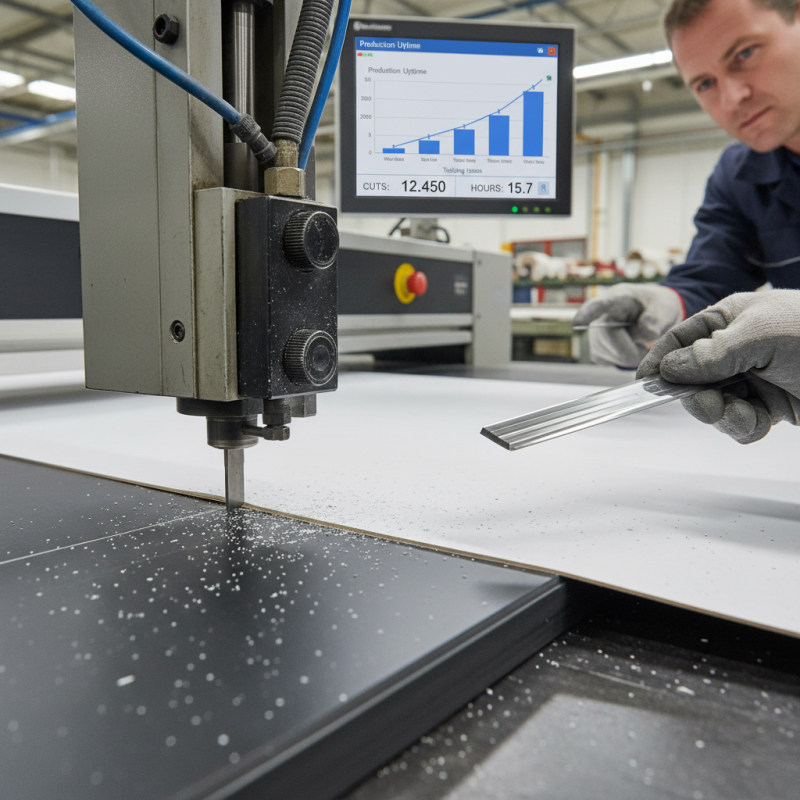
Understanding the lifespan of oscillating knife blades is crucial for achieving optimal performance. These blades, commonly used in CNC cutting machines, can vary in lifespan based on usage and materials. Typically, a blade can last anywhere from a few weeks to several months. Their longevity is influenced by factors like material hardness and cutting speed.
Frequent inspection is key. Look for signs of wear, such as chipping or dull edges. A sharp blade cuts cleanly, while a dull blade causes jagged edges and increased material waste. Marking the blade usage on a calendar helps track when to evaluate its performance. Regularly replace blades when they compromise quality.
It's essential to recognize that not all cuts are the same. For intricate designs, blades may dull faster. Always assess the specific demands of your projects. Reflecting on your cutting process can lead to discovering when replacements are necessary. Listening to your machine can also provide clues; unusual vibrations are a warning. Keeping a proactive approach will ensure consistent results and reduce frustration in your projects.
When it comes to oscillating knife blades, the signs of wear and tear are critical for maintaining optimal performance. A dull blade can lead to increased cutting pressure and uneven edges. According to industry reports, nearly 30% of blade failures can be attributed to insufficient maintenance or delayed replacement. This statistic highlights the importance of regularly inspecting your blades for any signs of degradation.
Look for visible nicks or chips on the blade's edge. These imperfections can significantly impact cutting quality. Additionally, if you're experiencing a marked increase in cutting time or more frequent blade changes, it’s a red flag. The wear and tear might not always be apparent at first glance. Even minor abrasions can lead to larger issues over time.
Scrutinizing the blade's performance can also be revealing. If your final product displays rough edges or frayed cuts, it may be time for a replacement. Research shows that timely blade replacements can enhance overall production efficiency by up to 25%. Ignoring these signs of wear could increase waste and impact your bottom line significantly.
When it comes to optimal cutting performance, knowing when to replace an oscillating knife blade is crucial. A dull blade can result in uneven cuts, excessive force, and increased wear on the machine. The cutting quality greatly impacts the efficiency of the job. Therefore, monitoring the blade's condition should be a priority for any operator.
Frequency of blade replacement can vary based on materials and usage. If cuts start to fray or require more effort, it might be time for a change. Regular inspections can help catch issues early. Listen for unusual sounds during operation. This might indicate that the blade is losing its sharpness. Changing blades before these signs become apparent can save time and resources.
Don't overlook scheduling regular maintenance checks. A system for tracking blade life can be beneficial. You might find that two operators using the same blade have different replacement needs. Each project has unique demands. Adjusting your approach to blade care can greatly impact outcomes. Always reflect on your results and seek continuous improvement.
Replacing an oscillating knife blade at the right time is crucial for maintaining performance. Industry reports suggest that dull blades can increase material waste by up to 25%. When you notice uneven cuts or frayed edges, it might be time to replace your blade. A worn blade not only affects the quality of cuts but can also strain the machine, leading to more frequent repairs.
To effectively replace your oscillating knife blade, start by ensuring the machine is powered off and unplugged. Use a wrench to loosen the blade holder. Carefully remove the old blade, observing how it's positioned. Insert the new blade in the same orientation and tighten the holder securely. According to maintenance studies, changing the blade every 100-200 hours of use can optimize cutting efficiency. However, this may vary based on material thickness and machine conditions.
Regularly checking the blade for signs of wear is essential. Look for chips or discoloration. These indicators signal it’s time for a change. A proactive approach helps avoid performance dips and costly downtime. Adapting your replacement schedule based on usage patterns can further enhance your machine’s longevity.
| Indicator | Description | Recommended Action |
|---|---|---|
| Dull Cuts | The blade struggles to cut through material smoothly or requires more force. | Replace the blade immediately for optimal performance. |
| Visible Damage | Cracks, chips, or any visible deformation in the blade. | Replace the blade, as it may pose safety risks. |
| Frequent Jam | The blade frequently jams while cutting, causing interruptions. | Consider replacing the blade and checking the cutting parameters. |
| Material Type Change | Switching to a different material that requires a different blade type. | Select a blade that’s appropriate for the new material type. |
| Performance Decrease | Overall decrease in cutting efficiency over time, regardless of visible issues. | Replace the blade after a prolonged period of use based on the manufacturer's recommendations. |
Maintaining the performance of an oscillating knife blade is crucial for precision cutting. Regular monitoring is key. Research indicates that 40% of users overlook blade wear, leading to suboptimal results. Dull blades can cause unnecessary strain on machines. Frequent inspections can prevent this issue.
To extend blade longevity, follow best practices. Clean the blades regularly to remove debris. A build-up of materials can impact blade sharpness. Studies show that clean blades perform 30% better than dirty ones. Additionally, storing blades properly is essential. Avoid exposure to moisture, as it can lead to rust.
Users should replace blades when they notice a decline in cutting quality. Signs include frayed edges and longer cutting times. Ignoring these signs can lead to compromised accuracy. Regular maintenance, including frequent replacements, is not just recommended; it is necessary for optimal function.
: Look for visible nicks, chips, or uneven cuts. Increases in cutting time are also a sign.
A dull blade increases cutting pressure and may lead to rough edges on the final product.
Change the blade every 100-200 hours, but adjust based on material thickness and usage.
Inspect the blade for chips or discoloration. Replace it to maintain optimal cutting efficiency.
Yes, it can lead to increased material waste and more frequent repairs, affecting overall expenses.
Power off the machine, loosen the holder, remove the old blade, insert the new one, and tighten securely.
Delayed replacement can strain the machine and lead to subpar cutting quality.
Absolutely, regular checks help avoid performance dips and reduce downtime in production environments.
Note the old blade's position to ensure correct installation of the new blade.
Adapt your schedule based on the blade’s condition and the patterns of material usage.
In the article "When to Replace an Oscillating Knife Blade for Optimal Performance?", we explore the essential aspects of maintaining oscillating knife blades to ensure efficiency in cutting tasks. Understanding the lifespan of these blades is crucial, as it dictates when to replace an oscillating knife blade to avoid diminished performance. Signs of wear and tear, such as noticeable dullness or jagged cuts, should prompt immediate blade inspection and potential replacement.
The article also discusses optimal cutting performance, emphasizing the recommended replacement frequency based on usage and material types. A step-by-step guide for replacing the blade facilitates seamless maintenance, while best practices for care can significantly extend blade longevity. By following these guidelines, users can ensure their oscillating knife blades operate at peak efficiency, leading to better results and reduced downtime.

Deepit Cutter