CNC knife cutting machines are vital in various industries. Their efficiency and precision save time and resources. However, neglecting proper maintenance can lead to costly downtime and repairs. Understanding how to maintain a CNC knife cutting machine for longevity is crucial for operators and businesses alike.
Regular maintenance ensures optimal performance. It extends the machine's lifespan and improves the quality of cuts. Simple tasks like cleaning and lubrication can prevent major issues. Neglecting these can diminish productivity and cause unexpected failures. Operators may overlook minor wear and tear, but even small problems can escalate. Awareness is key to sustaining machine health.
Investing time in maintenance pays dividends. It not only reduces repair costs but also boosts confidence in production processes. However, it's easy to let routine slip in a busy environment. A proactive approach fosters reliability and accuracy. Engaging with experts and scheduling regular check-ups can enhance machine performance. In the long run, proper maintenance shapes the foundation of operational success.
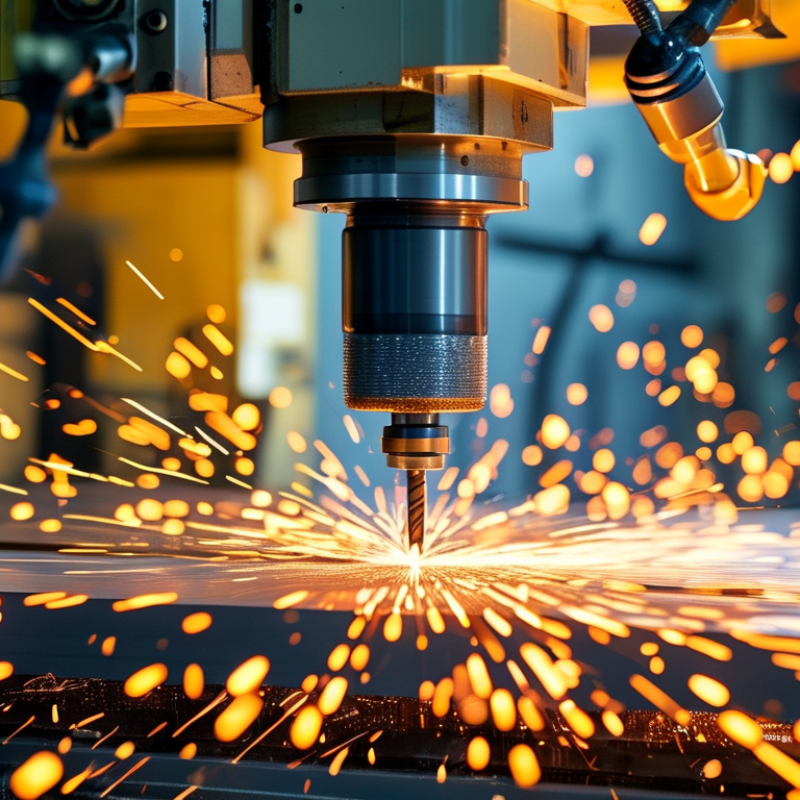
CNC knife cutting machines play a vital role in modern manufacturing. These machines enhance precision and efficiency, driving production levels in various industries. A report from Grand View Research indicates that the CNC machining market is expected to reach $100 billion by 2025, underlining the growing importance of these technologies. Their ability to produce complex shapes quickly allows manufacturers to meet increasing consumer demands without sacrificing quality.
Maintaining CNC knife cutting machines is not just about prolonging their lifespan; it's crucial for performance. Regular maintenance ensures that machines remain accurate, which is essential when dealing with intricate designs. A small error can lead to significant production waste and costs. According to the National Institute of Standards and Technology, improper machine maintenance can increase production costs by up to 25%. This highlights the need for companies to invest in proper upkeep processes and training.
However, manufacturers often overlook small issues, assuming they can manage without regular checks. This can lead to unexpected downtime and lost revenue. Investing in a reliable maintenance schedule can seem daunting but is necessary. Ignoring these machines can transform minor problems into major setbacks, ultimately impacting product quality and profitability. In a fast-paced industry, staying compliant with maintenance guidelines is not just a suggestion; it’s essential for sustainable growth.
Regular maintenance is crucial for the optimal performance of CNC knife cutting machines. One of the key components that requires attention is the cutting tool itself. Over time, wear and tear can significantly affect precision and quality. Checking the sharpness and replacing dull blades promptly can prevent costly mistakes in production. Regular inspection helps identify issues early on, ensuring a smoother workflow.
Another vital aspect is the servicing of the machine's drive system. The motors and belts often accumulate dust and debris, leading to decreased efficiency. Cleaning these components can improve their lifespan and functionality. Ignoring this can result in malfunction, causing downtime. Ultimately, maintaining the drive system is essential for uninterrupted operations and can save money in the long run.
Lastly, the cooling system must not be overlooked. Overheating can cause significant damage, leading to expensive repairs. Regularly checking coolant levels and ensuring proper flow is necessary. Neglecting this aspect might seem minor but can lead to major disruptions. Finding a balance in maintenance schedules is essential to maximize reliability. Regular check-ins can foster a more proactive approach, paving the way for smoother operations.
Proper maintenance of CNC knife cutting machines directly influences production efficiency. Studies show that routine maintenance can boost machine efficiency by up to 30%. This statistic underscores the significant role of maintenance in reducing downtime. For example, an unmaintained machine may face unexpected breakdowns. Such breakdowns not only halt production but can also lead to costly repairs.
Furthermore, the average lifespan of a CNC knife cutting machine can increase up to 50% with regular upkeep. According to an industry report, companies that implement a structured maintenance schedule experienced 20% fewer work interruptions. This highlights the financial benefits of investing time in maintenance.
On the flip side, neglecting maintenance can lead to operators facing challenges. Issues like blade misalignment or software glitches are common. These problems can diminish cutting precision and increase waste. It is crucial for businesses to reflect on their current maintenance practices. Regular inspections and proper training can bridge the gap between optimal performance and costly inefficiencies.
| Maintenance Type | Impact on Downtime (%) | Impact on Production Efficiency (%) | Cost Savings ($) | Lifetime Extension (Years) |
|---|---|---|---|---|
| Routine Cleaning | 15 | 10 | 500 | 1 |
| Lubrication | 10 | 20 | 800 | 2 |
| Blade Replacement | 20 | 25 | 1200 | 3 |
| Software Updates | 5 | 15 | 600 | 1 |
Preventative maintenance can save a significant amount of money for CNC knife cutting machines. Regular checks and tune-ups often prevent larger issues. This reduces unexpected downtimes that can halt production. When machines run efficiently, they consume less power. This leads to lower utility bills—the expenses really add up over time.
The cost of parts replacement is another factor. When machines are maintained properly, wear and tear are minimized. This extends the lifespan of critical components. Skipping maintenance can lead to catastrophic failures, costing thousands in repairs. Regular maintenance can seem like an additional expense, but it yields long-term savings.
Training staff on basic maintenance can ensure that problems are spotted early. Operators can keep an eye on wear indicators and fluid levels. This small investment in time can lead to significant savings. However, not all maintenance tasks are performed consistently. Reflecting on past lapses can help establish a routine that really sticks. Prioritizing these checks is key to a cost-effective operation.
Neglecting maintenance on CNC knife cutting machines can lead to severe consequences. Equipment can wear down faster, causing unnecessary breakdowns. A faulty machine not only affects production speed but also compromises the quality of the cuts. Poor maintenance may result in uneven edges or inaccurate dimensions. This undermines the final product's value, frustrating both operators and clients.
Safety is another critical factor impacted by lax maintenance. Wear and tear can lead to malfunctions, increasing the risk of accidents. Operators may face injuries if equipment fails unexpectedly. Regular inspections and timely repairs can prevent such dangers. It is essential to take maintenance seriously, as the costs of neglect far outweigh the expenses of routine upkeep.
Despite best efforts, some issues may still go unnoticed. Machines might operate correctly but have hidden flaws. Operators should be vigilant and attentive during usage. Implementing a culture of proactive maintenance is beneficial. Regular training can keep staff informed about potential difficulties. Seeking guidance from experienced professionals can further enhance safety practices and machine longevity.
: They enhance precision and efficiency, meeting consumer demands without sacrificing quality.
It ensures accuracy, prevents costly production waste, and prolongs machine lifespan.
Ignoring small problems can lead to unexpected downtime and significant revenue loss.
The cutting tool must be regularly inspected for sharpness to avoid costly mistakes.
Dirt accumulation can decrease efficiency and lead to malfunctions, causing downtime.
Machines may suffer faster wear, affecting production speed and cut quality.
Inadequate maintenance increases the risk of malfunctions, which can lead to operator injuries.
Yes, some problems may remain unnoticed while machines operate correctly.
Implementing proactive maintenance culture and providing regular training for staff.
It helps prevent minor issues from becoming major setbacks, impacting quality and profitability.
Proper maintenance of CNC knife cutting machines is crucial in modern manufacturing, as these machines play a vital role in achieving precision and efficiency. Regular maintenance of key components, such as the cutting tools, drive mechanisms, and electronic systems, ensures optimal performance and reduces the risk of breakdowns. Industry statistics demonstrate that well-maintained CNC systems can significantly enhance overall machine efficiency, leading to increased productivity.
Additionally, adopting a preventative maintenance approach can yield substantial cost savings for manufacturers by minimizing downtime and extending equipment lifespan. Conversely, neglecting maintenance can lead to severe consequences, including reduced performance, compromised safety, and costly repairs. To ensure the longevity of a CNC knife cutting machine, it is essential to understand how to maintain a CNC knife cutting machine for longevity, focusing on routine inspections, timely replacements, and adherence to operational guidelines.

Deepit Cutter