CNC foam cutting is a precise art that requires expertise and skill. Jagged edges can ruin an otherwise perfect product. Renowned expert in foam machining, Dr. John Miller, states, “Smooth cuts are essential for a professional finish.” His insight emphasizes the importance of addressing edge quality in foam cutting.
Understanding how to fix jagged edges in CNC foam cutting involves various techniques and adjustments. Factors such as tool selection, cutting speed, and feed rate play crucial roles in achieving clean cuts. A common mistake is using dull blades, which leads to uneven edges. Also, the wrong cutting angle can cause unwanted texture on the foam surface.
Reflecting on these challenges helps manufacturers improve their processes. Trial and error are often part of the learning process. As professionals tackle these issues, continuous refinement of techniques can lead to better outcomes. Identifying areas for improvement is just as important as celebrating successes in craftsmanship.
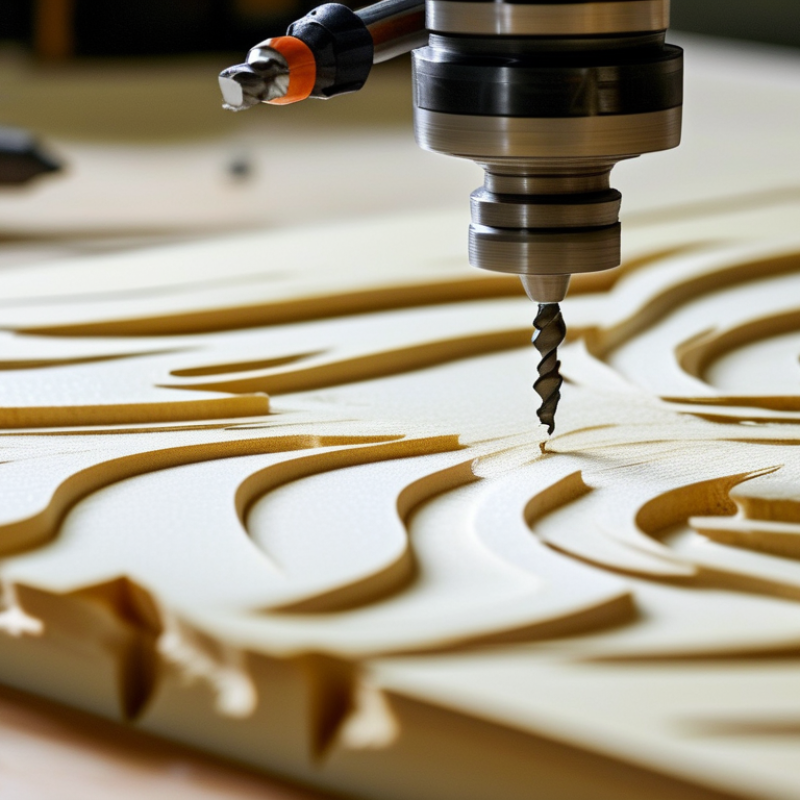
Understanding Jagged Edges in CNC Foam Cutting
Jagged edges are a common issue in CNC foam cutting. Understanding their root causes can lead to improved outcomes. These edges often arise from incorrect tool speeds, dull blades, or improper feed rates. According to industry reports, up to 30% of foam cutting projects face challenges with surface finishing due to these factors.
When cutting foam, maintaining the right tool speed is crucial. High speeds can cause the foam to melt, leading to rough edges. On the other hand, slow speeds might not provide a clean cut. It is important to find a balance that works for your specific foam type. Dull blades can exacerbate jagged edges. Regularly replacing or sharpening blades can minimize this issue.
Tip: Always conduct a test cut first. This helps identify optimal settings before starting a full project. Adjusting feed rates also matters. A feed rate that is too fast may cause tearing, while a rate that is too slow can burn the foam. Regular monitoring of your machine settings can lead to a cleaner cut. Emphasizing these simple adjustments can elevate your CNC foam cutting process effectively.
Identifying Common Causes of Jagged Edges
Jagged edges in CNC foam cutting can stem from several common issues. One primary cause is the cutter speed. If the cutter moves too quickly, it may not carve the foam evenly. This can lead to rough edges. Operators need to balance speed and precision for smoother cuts.
Blade sharpness is another crucial factor. A dull blade struggles to slice through foam cleanly. This results in torn edges and imperfections. Regularly replacing or sharpening blades can mitigate this issue. Consistent maintenance ensures quality output and reduces waste.
Additionally, foam material plays a role in edge quality. Some foams are denser and harder to cut. Experimenting with different types may yield better results. Recognizing these factors can help operators refine their processes. Adjusting speed, maintaining tools, and selecting appropriate materials leads to improved outcomes.
Selecting the Right Tools for Smooth Cuts
Selecting the right tools is crucial in CNC foam cutting. Proper tool selection can minimize jagged edges and improve the final appearance of foam products. Research indicates that blade sharpness and type significantly influence cut quality. For instance, a report from the Foam Cutting Association noted that using a specialized hot-wire cutter results in smoother cuts compared to standard blades.
When choosing tools, consider the material density. Denser foams require heavier-duty cutting tools. The same report highlighted that nearly 70% of operators experienced better outcomes with tools specifically designed for their foam types. Maintenance is also key; a dull blade can exacerbate jagged edges. Regular inspections and timely replacements can prevent compromised cuts.
Even with the best tools, software settings must align with material specifications. Adjusting parameters like cutting speed and feed rate can make a noticeable difference. Data shows that improperly set cutter speeds can lead to rough edges, affecting the overall product quality. Reflecting on past projects often reveals missed opportunities for tool optimization. Each cut is a chance to learn and improve.
How to Fix Jagged Edges in CNC Foam Cutting Tips? - Selecting the Right Tools for Smooth Cuts
| Tool Type |
Description |
Recommended Size |
Best Usage Scenario |
| Hot Wire Cutter |
Utilizes a heated wire to melt through foam. |
0.010" - 0.025" |
Ideal for detailed shapes and contours. |
| CNC Router |
Uses rotating bits to cut foam with precision. |
1/4" - 1/2" |
Best for straight lines and flat surfaces. |
| Oscillating Multi-Tool |
Machine with a blade that vibrates to cut foam easily. |
Varies by attachment |
Good for trimming and fine adjustments. |
| Band Saw |
Uses a continuous band of toothed metal to cut foam. |
Blade width: 1/4" - 3/8" |
Best for larger blocks of foam. |
| Knife Blades |
Manual cutting tool for precision work. |
4" - 8" blades |
Perfect for tiny cuts and detailed designs. |
Adjusting Machine Settings for Optimal Performance
Achieving smooth edges in CNC foam cutting relies heavily on precise machine settings.
Adjusting the feed rate is crucial. A slower feed rate can reduce jagged edges,
allowing the cutting tool to make cleaner cuts. Industry data suggests that a feed rate of 100 mm/min
can help eliminate roughness in standard foam types. However, if too slow, the tool may overheat, damaging both the foam
and the cutter.
Another key setting is the cutting speed. Optimal speeds often fall between 10,000 to 20,000 RPM
for foam applications. This range balances efficiency and quality. If the speed is too high, the edges can melt, causing curling.
Conversely, settings that are too low may lead to incomplete cuts.
Technical reports reveal that temperature control during cutting is also imperative.
Excessive heat can warp foam, resulting in inconsistent results. Using a cooling system can mitigate this risk. Properly calibrating
your CNC machine to monitor these variables is essential for achieving smooth, professional finishes
on foam parts. Ignoring these techniques can lead to increased waste and lower quality output, emphasizing the importance of
continuous adjustment and monitoring.
Implementing Post-Cutting Techniques for Edge Finishing
Jagged edges are a common challenge in CNC foam cutting. These imperfections can arise from various factors, including machine settings and tooling. Post-cutting techniques are essential for achieving smooth edges and enhancing the final product's quality.
One of the most effective post-cutting methods is heat sealing. This technique can reduce jagged edges by slightly melting the foam surface, resulting in a uniform finish. A study by the Foam Fabricators Conference indicates that applying heat sealing can improve edge quality by up to 50%. Additionally, using hand-finishing tools like sanding blocks allows for precise control over the edge smoothness. The right grit selection is crucial; finer grits prevent further damage to the foam.
It is worth noting that not all CNC machines handle foam cutting equally. Factors such as speed and cutting depth can influence edge quality. In many cases, adjustments to these parameters are necessary. Proper calibration and regular maintenance of cutting tools also play a vital role. Despite the effectiveness of post-cutting methods, achieving perfection remains a challenging goal. Reflecting on these techniques can lead to improvements, ultimately enhancing operational efficiency in foam cutting practices.
Jagged Edges in CNC Foam Cutting: Post-Cutting Techniques
FAQS
: Jagged edges arise from incorrect tool speeds, dull blades, or improper feed rates.
Tool speed is crucial. High speeds can melt foam, while slow speeds might not yield clean cuts.
Regularly replace or sharpen dull blades to minimize jagged edges.
Test cuts help identify optimal tool settings, improving the quality of your full project.
Too fast a feed rate can cause tearing, while too slow can burn the foam.
Select proper tools based on foam density and ensure they are designed for your specific foam type.
Heat sealing and hand-finishing tools like sanding blocks can enhance edge smoothness significantly.
Proper settings aligned with material specifications help prevent rough edges and improve product quality.
Reflecting can reveal missed opportunities for tool optimization and adjustments in settings.
Regular inspections and timely tool replacements are essential for preventing jagged edges and ensuring quality cuts.
Conclusion
In the article "How to Fix Jagged Edges in CNC Foam Cutting," we explore the various factors that contribute to jagged edges in foam cutting projects. Understanding the underlying causes, such as incorrect tool selection or improper machine settings, is crucial for achieving smooth cuts. By identifying these common issues, operators can make informed adjustments to both tools and machine parameters.
Furthermore, the article highlights the importance of selecting the right cutting tools and fine-tuning machine settings for optimal performance. Additionally, implementing effective post-cutting techniques, like sanding or sealing edges, can greatly improve the overall finish. By following these guidelines on how to fix jagged edges in CNC foam cutting, users can enhance the quality of their foam cutting results and achieve a more professional appearance in their projects.

 Deepit Cutter