In the realm of CNC machining, efficiency is paramount. Understanding how to switch between different cutting tools on a CNC head can significantly enhance productivity and precision. Renowned CNC expert, Dr. Ethan Pierce, emphasizes, “The key to mastering CNC operations lies in seamless tool transitions.” His insights underline the importance of proper technique and planning.
Switching tools efficiently is not just about speed; it's also about accuracy. Each tool has its unique purpose and requires specific handling. Properly managing this transition can minimize downtime. Operators often face challenges, such as misalignment or tool wear, which can affect output quality. Reflecting on these issues can lead to improved techniques.
Additionally, keeping tools organized and knowing their compatible applications can streamline the switching process. Regular maintenance of both tools and CNC heads is essential. An organized workspace can lead to quicker transitions. However, it's not a foolproof system. Mistakes can happen, and operators must remain vigilant. Balancing these elements ultimately results in a more productive workflow.
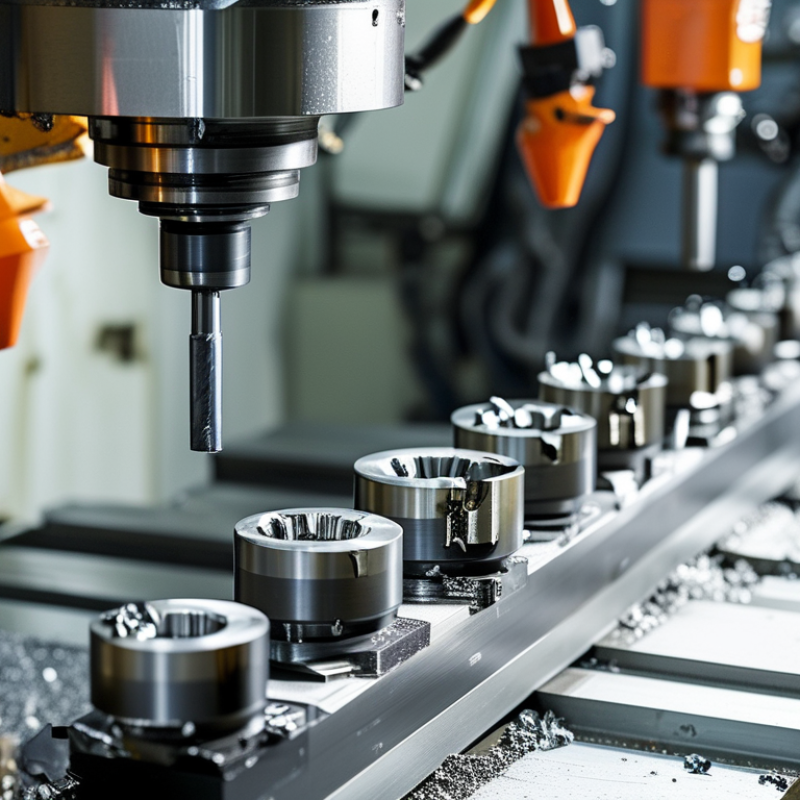
When discussing CNC cutting tools, it's vital to understand their types and applications. CNC machines utilize various tools based on the material being cut. For instance, high-speed steel (HSS) tools are common for softer materials, while carbide tools excel in machining harder materials. A recent industry report highlights that carbide tools can last up to 5 times longer than HSS, drastically reducing downtime.
Moreover, tool geometry plays a crucial role in cutting efficiency. A report from the Manufacturing Technology Institute indicates that using tools with optimized geometries can increase cutting speeds by up to 30%. However, most manufacturers overlook the importance of tool wear monitoring. Ignoring tool maintenance can lead to accelerated wear, negatively impacting part quality and increasing waste.
Additionally, the selection of cutting tools should be tailored to specific projects. Different applications require different tool shapes, designs, and coatings. For example, coated tools prevent friction and increase durability, making them suitable for high-precision tasks. Yet, many operators remain unsure about which tools to employ, leading to inconsistent outcomes. This lack of clarity can undermine productivity and result in costly reworks.
| Tool Type | Material Compatibility | Common Applications | Switching Guidelines |
|---|---|---|---|
| End Mill | Aluminum, Steel, Plastic | Milling, Profiling | Ensure proper RPM and feed rate |
| Drill Bit | Metal, Wood, Plastic | Drilling Holes | Change spindle speed for different materials |
| Router Bit | Wood, Composite, Soft Metals | Edge Profiling, Shaping | Use appropriate bit size for the material thickness |
| Laser Cutter | Acrylic, Wood, Fabric | Precision Cutting, Engraving | Adjust power and speed settings for material type |
| Plasma Cutter | Metal, Stainless Steel, Aluminum | Metal Fabrication | Maintain distance between nozzle and material for optimal cut |
Choosing the right cutting tools is crucial for any CNC project. It affects precision and efficiency. According to a report from the International Journal of Advanced Manufacturing Technology, tool selection can impact production time by up to 30%. Understanding the specific requirements of your materials is essential. For instance, hard metals require tools made from high-speed steel or carbide for optimal results.
Evaluating the appropriate tools involves assessing their geometry, coating, and materials. Tools with different geometries, such as end mills or ball nose cutters, serve distinct purposes. The right choice can reduce wastage and improve surface finishes. A study from the Journal of Manufacturing Processes indicates that using the correct cutter can enhance the overall lifespan of the tool by 50%.
When switching between tools, maintain clarity on their capabilities. Each tool has unique specifications that can lead to errors if not understood well. It's easy to overlook specifications during quick changes. This can result in poor finishes and delays. Embracing a systematic approach is key to mastering tool transitions effectively.
Efficient tool change protocols are vital for optimizing CNC machining. According to the Machining Industry Association, a well-structured tool change process can reduce downtime by up to 30%. This efficiency not only streamlines operations but also enhances productivity significantly. Clear guidelines and protocols for tool handling can minimize errors during the tool change.
Establishing a consistent tool change routine is crucial. For example, organizing tools based on usage frequency can save time. Keeping the most commonly used tools within easy reach is a simple yet effective strategy. Moreover, training staff on these protocols ensures everyone understands their roles in the process. Proper documentation of the tool change procedure also aids in reducing mistakes.
Tips: Regularly audit your tool inventory. This practice aids in identifying underutilized or unnecessary tools. Furthermore, incorporating a maintenance schedule for tools can extend their lifespan and improve performance. Reflect on the current tool change protocols. Are they meeting efficiency goals? Constantly seek feedback from the operators for potential improvements.
Implementing effective tool change software solutions is crucial for optimizing CNC cutting processes. According to a report by the International Journal of Advanced Manufacturing Technology, efficient tool change systems can reduce machine downtime by up to 30%. This statistic highlights the importance of integrating software that manages tool inventories and facilitates quick adjustments based on real-time production needs.
Employing automated tool change solutions can significantly boost productivity. Machines equipped with smart software can track tool wear, alert operators, and even order replacements automatically. A notable study from the Society of Manufacturing Engineers indicates that facilities using tool change management software experience a 15% increase in operational efficiency. However, not all businesses fully utilize these technologies. Some still rely on manual checks, leading to delayed processes and increased operational costs.
The transition to a fully integrated tool change process can seem daunting. Resistance to change is common, as operators may find it challenging to adapt. Additionally, regular updates to software can be frustrating without proper training. However, for companies willing to invest in these technologies, the long-term benefits can outweigh initial setbacks. Embracing these innovations can help ensure a competitive edge in a rapidly evolving market.
This chart represents the efficiency of tool changes in CNC machining over a period of six months. The data shows the average time taken for tool changes in minutes, helping to identify trends and areas for improvement.
Training operators for effective tool-switching techniques is essential in CNC machining. Skilled operators can significantly reduce downtime and enhance productivity. The training should include hands-on practice to ensure familiarity with the machines. Operators must learn to quickly identify the correct tools needed for specific tasks. They should also understand the nuances of each tool type. This knowledge reduces errors during the switching process.
Another focus of the training should be safety and efficiency. Operators need to be aware of potential hazards when handling cutting tools. Proper techniques can prevent injuries and equipment damage. Demonstration and practice of these safety measures are critical. Additionally, training should emphasize the importance of regular maintenance checks. An overlooked tool can lead to subpar performance and extended downtime. Recurrent training sessions can help reinforce skills and encourage reflection on improvements.
Encouraging questioning and discussion among operators fosters a culture of continuous learning. Sharing experiences and challenges faced during tool switching helps everyone grow. Operators might struggle with specific tools, and it's important to address these challenges. Each session can highlight a unique aspect of tool switching, providing opportunities for improvement. Effective training cultivates a team knowledgeable and confident in their skills.
: The right tools impact precision and efficiency in CNC projects, affecting production time significantly.
Hard metals often need tools made from high-speed steel or carbide for best results.
Different tools, like end mills or ball nose cutters, serve distinct purposes and can enhance results.
Lack of clarity on tool specifications can lead to poor finishes and increased delays during projects.
Skilled operators reduce downtime and enhance productivity by quickly identifying and using the correct tools.
Training should cover potential hazards and proper techniques for handling tools to prevent injuries.
Regular maintenance checks are vital to avoid subpar tool performance and reduce unexpected downtime.
Sharing challenges fosters a culture of learning, encouraging team growth and skill enhancement.
Training should also focus on safety protocols and the importance of maintaining tools regularly.
Each session can address unique tool-switching challenges, providing valuable opportunities for skill refinement.
Efficiently switching between CNC cutting tools is essential for maximizing productivity and ensuring high-quality output in machining projects. Understanding the different types of CNC cutting tools is crucial, as each has specific applications that can significantly impact the efficiency of your work. To determine the right cutting tools for your projects, it's important to evaluate your material specifications and desired outcomes.
Setting up tool change protocols can streamline the process, reducing downtime and potential errors. Implementing tool change software solutions further enhances efficiency by automating part of the switching process. Additionally, training operators in effective tool switching techniques is vital to maintain a seamless workflow. By focusing on these key aspects, you will learn how to switch between different cutting tools on a CNC head proficiently, ultimately improving the overall performance of your CNC machining operations.

Deepit Cutter