How to Effectively Reduce Noise from Pneumatic Cutting Tools?

Time:2026-05-28 Author:Sienna
0%

Reducing noise from pneumatic cutting tools is a significant concern in various industries. Dr. Emily Hart, an acoustics specialist, emphasizes, “Controlling noise is essential for workplace safety and comfort.” This statement reflects the growing need for effective solutions in managing noise levels.

Many workers face exposure to high noise levels. This can lead to hearing loss and increased stress. Therefore, understanding how to reduce noise from a pneumatic cutting tool is crucial for maintaining a healthy work environment. Implementing noise reduction practices not only protects employees but also enhances productivity.

Innovative techniques exist to tackle this issue. From sound-dampening materials to improved tool design, solutions are available. It's imperative, however, to evaluate each method's effectiveness and feasibility. The journey to quieter work environments requires persistent effort and reflection. Adaptation and continuous learning are vital in this pursuit.
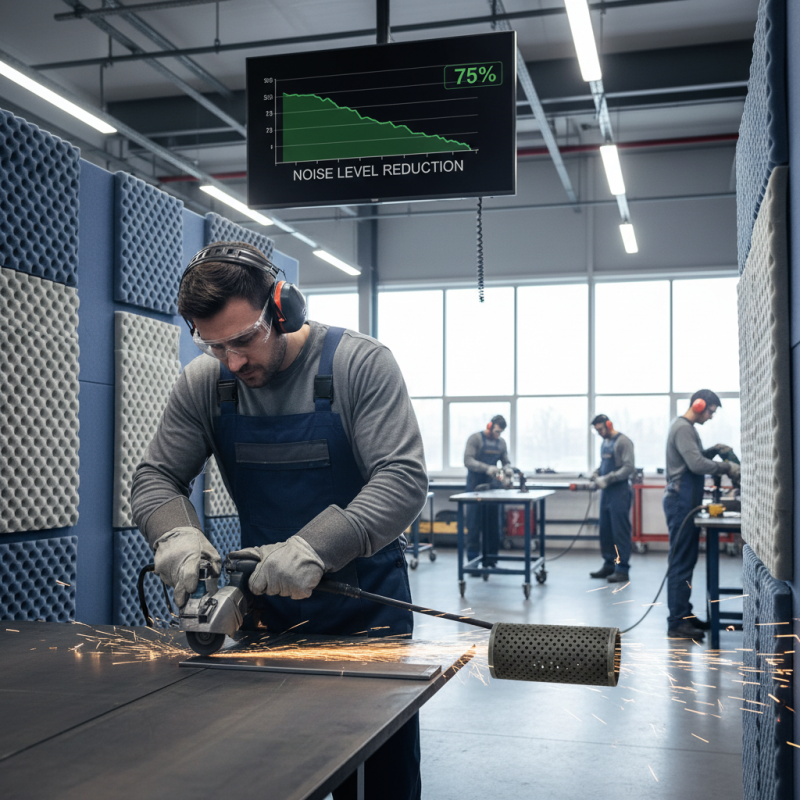
How to Effectively Reduce Noise from Pneumatic Cutting Tools?

Identifying Sources of Noise in Pneumatic Cutting Tools

The noise generated by pneumatic cutting tools is a significant concern. Understanding where this noise originates is essential for effective reduction measures. A report from the Noise Control Engineering Journal indicates that pneumatic tools can produce sound levels exceeding 100 dB(A). This is considerably above the safe exposure limit of 85 dB(A) established by OSHA.

The main sources of noise in pneumatic cutting tools are the exhaust, high-speed rotation, and impact during operation. The exhaust air, which exits rapidly, is often the loudest contributor. Research shows that around 50% of the noise from these tools stems from the exhaust. The tool's mechanics also play a role. The friction and vibration caused by cutting create secondary noise, complicating noise management efforts.

Some industries have begun to implement sound-insulating enclosures or mufflers to mitigate noise levels. However, these solutions are not always fully effective. Occasionally, they can even impede the tool’s cooling and performance. There remains a gap in integrating effective noise-reduction technology without compromising efficiency. This gap highlights the need for ongoing research and innovation in reducing noise while maintaining tool effectiveness.

Understanding the Impact of Noise on Health and Safety

Noise pollution from pneumatic cutting tools poses significant health risks. Prolonged exposure to high noise levels can lead to hearing loss, increased stress, and diminished productivity. According to the World Health Organization (WHO), exposure to sound levels above 85 decibels can result in irreversible damage. In industrial settings, noise levels from such tools often reach this threshold, highlighting the need for protective measures.

Moreover, excessive noise can impact mental well-being. A study published in the Journal of Occupational Health found that workers in noisy environments reported higher anxiety levels and difficulty concentrating. These factors contribute to a decline in overall safety and job performance. Implementing sound-reducing technologies is not just beneficial; it’s essential for maintaining a healthy workplace.

Reducing noise also enhances teamwork and communication. When noise levels are diminished, workers can collaborate more effectively. This leads to fewer accidents and improved efficiency. While many industries focus on productivity, the need to create a safer sound environment should not be overlooked. Businesses must reflect on their noise management strategies to ensure workers’ health is prioritized.

Implementing Design Modifications to Minimize Noise Emission

Pneumatic cutting tools are essential in various industries, but their noise pollution is a significant concern. Implementing design modifications can effectively reduce noise emissions. One approach involves optimizing the air exhaust system. By directing exhaust air through mufflers, noise levels can be significantly lowered. However, the right design needs careful consideration to ensure efficiency is not compromised.

Another way to minimize noise is through vibration dampening. Adding rubber grommets between the tool and its handle creates a buffer. This method must balance material durability and sound absorption. It's important to evaluate how much damping can affect tool performance.

Enhanced insulation techniques can also contribute to noise reduction. Coating tools or adding sound-absorbing materials to their housing can be effective. Nevertheless, it's crucial to ensure that these materials do not add excessive weight or heat retention. The task of balancing noise reduction with performance and safety continues to be a challenge in tool design. Each modification comes with potential trade-offs that require ongoing evaluation.

Utilizing Sound Insulation and Absorption Materials

Noise from pneumatic cutting tools can be overwhelming. Using appropriate sound insulation and absorption materials can significantly reduce this noise. The goal is to create a quieter work environment. There are multiple materials available that can help.

Acoustic panels are effective. They can be installed on walls or ceilings. These panels absorb sound waves and minimize reverberation. Consider placing them near the workspace. Foam sheets also work well. They are lightweight and easy to install. A combination of these materials could be the best solution.

Tips: Always check the Noise Reduction Coefficient (NRC) ratings when choosing materials. Higher NRC means better sound absorption. Ensure proper sealing around doors and windows to prevent sound leakage. Using carpets or rugs can further help in dampening unwanted noise. Don’t forget about maintenance. Sometimes, worn-out tools can cause excess noise too. Regular checks can ensure quieter operations.

Practicing Proper Maintenance to Reduce Noise Levels

Reducing noise from pneumatic cutting tools is essential for safety and comfort in the workplace. Proper maintenance plays a significant role in achieving lower noise levels. According to the Occupational Safety and Health Administration (OSHA), unmitigated noise exposure can lead to permanent hearing loss. Scheduled maintenance checks can keep the tools functioning optimally and reduce noise.

Regular lubrication of mechanical parts can minimize friction, leading to quieter operation. A study by the American National Standards Institute (ANSI) found that well-maintained tools can operate up to 10 dB quieter. This can make a noticeable difference in overall workplace noise levels. Moreover, replacing worn parts promptly prevents further noise escalation. Workers should be trained to identify signs of wear and tear.

Using noise-dampening materials in the workspace is also beneficial. Properly designed workspaces can absorb excess sounds. However, many facilities overlook this aspect. They focus solely on the tools and neglect the environment. Implementing a noise control plan can drastically improve conditions. It's important to remember that neglecting regular maintenance can lead to not just increased noise, but also inefficiency and potential tool failure. This cycle can be costly and detrimental to productivity.

FAQS

: What health risks are associated with noise pollution from pneumatic cutting tools?

: Prolonged exposure can lead to hearing loss, stress, and lower productivity.

What is the decibel level that poses a risk to hearing?

Sounds above 85 decibels can cause irreversible damage to hearing.

How does excessive noise affect mental health at work?

Workers in noisy environments report higher anxiety and difficulty concentrating.

Why is reducing noise levels important in the workplace?

Lower noise enhances communication, teamwork, and overall safety.

What design modifications can reduce noise from pneumatic tools?

Optimizing air exhaust systems and adding rubber grommets can help.

What materials can be used for sound insulation?

Acoustic panels and foam sheets are effective for sound absorption.

How can I ensure sound insulation materials are effective?

Check the Noise Reduction Coefficient (NRC) ratings for better sound absorption.

Can maintenance impact the noise levels from tools?

Yes, worn-out tools can increase noise, so regular checks are essential.

What challenges exist when modifying tools for noise reduction?

Balancing noise reduction, performance, and safety often presents trade-offs.

Is it beneficial for businesses to reflect on noise management strategies?

Yes, addressing noise management is crucial for workers' health and productivity.

Conclusion

In addressing the question of how to reduce noise from a pneumatic cutting tool, it is essential to first identify the sources of noise associated with their operation. Understanding the impact of such noise on health and safety is critical, as excessive exposure can lead to various health issues. By implementing design modifications aimed at minimizing noise emissions, one can significantly mitigate the problem.

Additionally, utilizing sound insulation and absorption materials can create a quieter working environment. Regular maintenance practices are equally important, as they help ensure that the tools operate efficiently, thus reducing unnecessary noise levels. Overall, a comprehensive approach that combines these strategies can effectively reduce noise from pneumatic cutting tools, leading to improved safety and comfort in the workplace.

Sienna

Sienna

Sienna is a skilled marketing professional with a deep expertise in our company’s core products and services. With a passion for innovation and detail, she plays a pivotal role in crafting insightful blog posts that not only highlight the unique features of our offerings but also provide valuable......