How to Effectively Cut Thick Corrugated Board with V-Cut Tool?

Time:2026-05-03 Author:Ethan
0%

Cutting thick corrugated board can be challenging, especially for those inexperienced in using a V-cut tool. Understanding how to cut thick corrugated board with a V-cut tool is essential for achieving clean and precise edges. A well-executed cut can enhance the quality of your projects and improve overall efficiency.

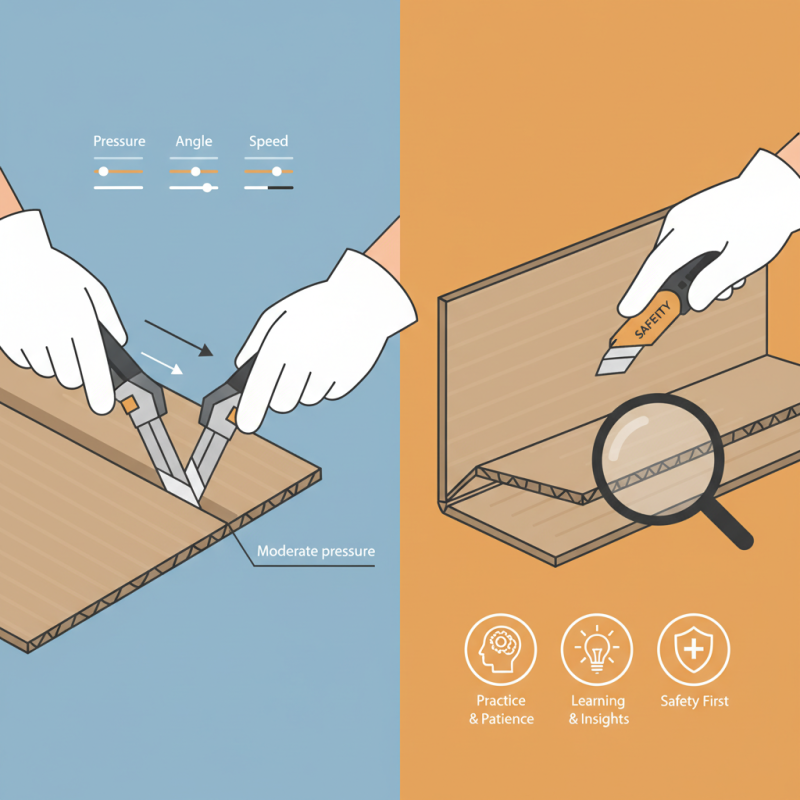
Selecting the right technique is crucial. Factors like pressure, angle, and speed can significantly affect your results. Many novices often underestimate the importance of adjusting their approach based on the material's thickness. There are common mistakes, such as cutting too quickly or not applying enough pressure, which can lead to ragged edges. Taking the time to refine your technique can reveal a noticeable difference.

In mastering this skill, it's important to acknowledge that practice makes perfect. Don't be discouraged by initial imperfections. Every attempt grants valuable insights into the cutting process. Remember, learning how to cut thick corrugated board with a V-cut tool requires patience and dedication. Emphasizing safety throughout the process is equally vital, as improper handling can lead to accidents.
How to Effectively Cut Thick Corrugated Board with V-Cut Tool?

Understanding V-Cut Tools for Cutting Corrugated Board

V-cut tools are essential for anyone working with corrugated board. These tools are designed to create clean and precise cuts. Understanding how to use them properly can significantly impact the quality of your work. The cutting mechanism typically features a sharp V-shaped blade that allows users to cut through thick layers efficiently. According to a recent report from the Packaging Association, optimal cuts reduce material waste by up to 30%. This highlights the importance of selecting the right tool for the job.

Professional experiences indicate that using a V-cut tool can take quite a bit of practice. Many artisans report initial challenges, such as uneven cuts or damaged board edges. Reports show that improper use can lead to frustration and wasted resources. Regular training and practice can help mitigate these issues. Adapting to different thicknesses is crucial. Adjusting the pressure applied while cutting often leads to better results. Manufacturers recommend that novices start with thinner boards before progressing.

Safety is another crucial aspect to consider when using V-cut tools. Proper handling minimizes the risk of accidents. The Occupational Safety and Health Administration (OSHA) emphasizes the importance of using tools designed for specific material thicknesses. Choosing the wrong tool can create significant hazards. Quality control processes should be in place for any workshop environment. Balancing efficiency and safety is vital for achieving sustainable production practices.

Preparing Your Workspace for Efficient Cutting

Preparing your workspace effectively is crucial for cutting thick corrugated board with a V-cut tool. A clutter-free and organized area enhances focus. Studies show that a tidy workspace improves productivity by up to 20%. Ensure that all tools are within arm's reach. This minimizes unnecessary movements, allowing for smoother operations.

Consider the lighting as well. Good lighting reduces eye strain, which is essential during intricate cutting tasks. According to a report, 30% of professionals experience discomfort due to poor lighting. Use a well-lit workspace to maintain accuracy and prevent unnecessary errors.

While preparing, gather all necessary materials. Choose a sturdy cutting mat to protect your surfaces. Misjudgment in this area can lead to costly mistakes. Time spent gathering tools impacts overall efficiency. It's worth taking the extra few minutes to set up properly before starting your project. A prepared environment is not just about organization; it’s about fostering a mindset conducive to successful outcomes.

Step-by-Step Guide to Cutting Thick Corrugated Board

Cutting thick corrugated board can be challenging, especially if you're not familiar with the right techniques. Using a V-Cut tool simplifies this task. To begin, ensure your work area is clear and you have all necessary tools on hand. A sturdy cutting mat can protect your surfaces and maintain precision. Carefully mark where you want to cut, ensuring your lines are straight.

Next, position the V-Cut tool at a 45-degree angle. Apply gentle pressure as you begin cutting along your marked lines. It’s essential to move slowly to avoid mistakes. Be prepared to adjust your angle if the board is particularly thick. If you find the tool is not cutting cleanly, check the blade for wear. A dull blade can lead to ragged edges and frustration.

Once the cutting is complete, examine the edges. Ideally, they should be smooth, but some roughness may occur. Take a moment to reflect on your technique. Could your pressure have been lighter? Did you rush at any point? These reflections can improve your skills for future projects. Practice makes perfect, and with time, you’ll gain confidence in using the V-Cut tool effectively.

Safety Precautions When Using V-Cut Tools

When using V-cut tools to cut thick corrugated board, safety should be the top priority. A study from the Occupational Safety and Health Administration (OSHA) shows that improper tool handling can lead to workplace injuries. In the packaging industry, where V-cut tools are widely utilized, maintaining vigilance and adhering to safety measures is crucial. The risk of accidental cuts can increase significantly, especially when handling larger sheets of cardboard.

Wearing appropriate PPE (personal protective equipment) is essential. This includes cut-resistant gloves and safety goggles. According to a report by the National Safety Council, proper PPE can reduce injury rates by 40%. Operators should also ensure that their work area is free from distractions and clutter. It is critical to maintain focus to avoid mistakes that might lead to accidents.

Regular maintenance of V-cut tools is vital for safety. Dull tools can slip, causing unintended injuries. Ensure that blades are sharpened consistently. This helps in making clean cuts while reducing force on the board. Following these precautions allows for greater efficiency and safety in operations, fostering a healthier working environment.

Common Mistakes to Avoid While Cutting Corrugated Board

Cutting thick corrugated board can be tricky. Many common mistakes can lead to poor results. One frequent error is not using the right V-Cut tool. Research shows that tools specifically designed for thick materials perform up to 30% better than general-purpose cutters. This is crucial for achieving clean, precise cuts.

Another significant issue is improper blade angle. The angle of the blade can affect the cut quality. A blade that is too steep may tear the board rather than cut it. Industry studies indicate that maintaining an angle of around 45 degrees can enhance cutting efficiency by 25%. Inspecting the blade before use is essential. Dull blades can lead to frustration and wasted materials.

Not paying attention to board thickness often leads to mistakes. Some users attempt to cut all thicknesses the same way. However, this approach can lead to inconsistent results. Cutting through thicker areas without adjusting technique can create jagged edges. It's vital to assess thickness and adjust cutting speed accordingly. This practice can significantly reduce waste and improve overall outcomes.

Common Mistakes to Avoid While Cutting Thick Corrugated Board with V-Cut Tool

FAQS

: What are V-cut tools used for?

: V-cut tools are designed for making clean cuts on corrugated board.

How can using V-cut tools impact productivity?

Proper use can reduce material waste by up to 30%, enhancing overall productivity.

What challenges do novices face when using V-cut tools?

Many beginners struggle with uneven cuts and damaged edges when starting.

Is it important to practice using V-cut tools?

Yes, regular practice helps improve skills and minimizes frustration.

What is the safest way to handle V-cut tools?

Always use tools suitable for the specific material thickness to reduce accidents.

What common mistakes should be avoided when cutting?

Using the wrong tool or improper blade angle can lead to poor results.

Why is blade angle important?

A 45-degree angle enhances cutting efficiency and prevents tears in the board.

What happens if you don’t adjust for board thickness?

Not adjusting for thickness can lead to jagged edges and wasted materials.

How can one improve cutting results?

Assess thickness and adjust technique to achieve better overall outcomes.

Should beginners start with thicker boards?

No, novices should practice with thinner boards before tackling thicker materials.

Conclusion

In the article "How to Effectively Cut Thick Corrugated Board with V-Cut Tool," readers will gain a comprehensive understanding of V-Cut tools designed specifically for cutting corrugated board. It begins with an overview of these tools and highlights the importance of preparing a dedicated workspace to ensure efficiency during the cutting process.

The article provides a detailed step-by-step guide on how to cut thick corrugated board with a V-cut tool, emphasizing various techniques to achieve clean and precise cuts. Furthermore, it discusses essential safety precautions to take while using these tools and outlines common mistakes to avoid, enabling readers to enhance their cutting skills and outcomes effectively. This holistic approach ensures that anyone looking to master how to cut thick corrugated board with a V-cut tool can do so confidently and safely.

Ethan

Ethan

Ethan is a seasoned marketing professional with a deep expertise in our company's innovative product line. With a passion for sharing knowledge and insights, he takes the lead in regularly updating our corporate blog, where he explores industry trends, product features, and effective marketing......