How to Cut Carbon Fiber Gaskets with CNC Knife Effectively?

Time:2026-06-26 Author:Oliver
0%

Cutting carbon fiber gaskets with precision is essential in many manufacturing processes. Many industries rely on gaskets for their durability and strength. However, ensuring a clean cut can be challenging. This is where understanding how to cut carbon fiber gaskets with a CNC knife becomes vital.

Utilizing a CNC knife offers numerous benefits. It ensures accuracy and repeatability, which is crucial for high-quality output. The CNC process can handle complex shapes that manual cutting cannot achieve. Nevertheless, the approach requires skill and knowledge. Proper settings and techniques can significantly influence the outcome. It is important to avoid common mistakes that could lead to waste.

As you begin this process, be prepared for some trial and error. Adjustments may be necessary to optimize cutting efficiency. Each piece of carbon fiber behaves differently. A meticulous approach will yield better results. Embrace the learning curve, as practical experience often reveals insights that theory cannot explain. With the right mindset and the right tools, achieving perfect cuts becomes more attainable.
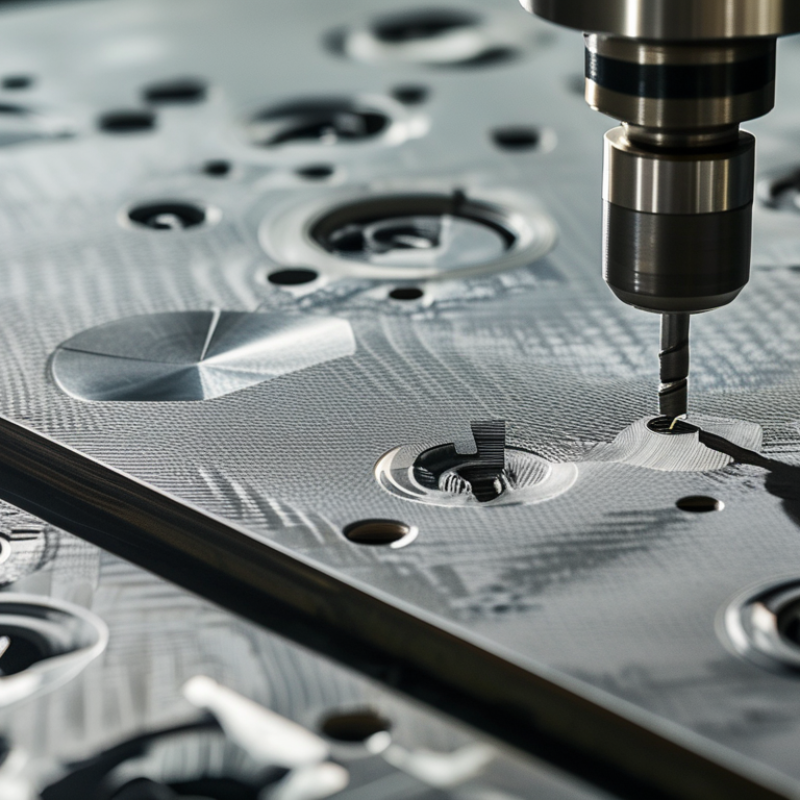
How to Cut Carbon Fiber Gaskets with CNC Knife Effectively?

Understanding Carbon Fiber Gaskets and Their Applications

Carbon fiber gaskets are increasingly used in various industries due to their strength, lightweight, and resistance to heat and chemicals. These gaskets serve crucial roles in applications such as aerospace, automotive, and marine industries. They provide reliable seals that enhance performance and durability. Proper understanding of carbon fiber's properties helps in selecting the right material for specific projects.

Working with carbon fiber gaskets requires . Cutting these gaskets with a CNC knife demands attention to detail. The fibrous structure can lead to fraying if not handled properly. Using the right cutting parameters is key. Adjusting the speed and feed rate can ensure smooth edges.

Tips: Always perform test cuts. This helps in fine-tuning machine settings. Keep your workspace clean to prevent contamination. Regularly check the integrity of the CNC knife for optimal performance. Taking these precautions can minimize waste and improve accuracy. High-quality results rely on meticulous preparation and care.

Selecting the Right CNC Knife for Carbon Fiber Cutting

Selecting the right CNC knife for cutting carbon fiber gaskets is crucial. Carbon fiber is a unique material, known for its strength and lightweight properties. Not every knife is suitable for this task. A blade that is too dull may not cut cleanly, while one that is too aggressive can damage the fibers.

Consider the knife's geometry. A knife with a fine point can navigate intricate designs. On the other hand, a wider blade works well for straight cuts. The material of the knife also matters. Some materials wear down quickly with carbon fiber and may create frayed edges. Choose a durable material that can handle repeated cuts.

It’s essential to test various setups before committing to a specific knife. Sometimes, adjustments to speed and pressure are necessary. Conducting trials allows you to refine your process. Keep in mind that every project might require a different approach. Analyzing past attempts can provide insights for better results. The right knife is key, but adjustments make all the difference.

How to Cut Carbon Fiber Gaskets with CNC Knife Effectively? - Selecting the Right CNC Knife for Carbon Fiber Cutting

Knife Type Blade Material Recommended Speed (m/min) Thickness Capability (mm) Notes
Standard CNC Knife High-Speed Steel 20 - 30 0.5 - 5 Good for general cutting tasks
PCD-Coated Knife Polycrystalline Diamond 25 - 35 0.5 - 10 Best for hard composite materials
Tungsten Carbide Knife Tungsten Carbide 15 - 25 1 - 8 Durable and suitable for thick materials
CNC Rotary Knife Stainless Steel 30 - 50 0.5 - 6 Ideal for intricate cuts and curves
Laser Knife Laser Technology N/A N/A Perfect for complex shapes and designs

Essential CNC Machine Settings for Cutting Carbon Fiber

Cutting carbon fiber with CNC knives requires precise machine settings for optimal results. The right parameters can significantly enhance the cutting process. According to a recent industry report, using a feed rate between 50 to 100 mm/min optimizes the cutting efficiency without damaging the material. A slower speed may increase edge quality but can also lead to longer processing times. Improper feed rates may cause fraying or delamination.

The spindle speed is also crucial. Reports suggest a range of 10,000 to 20,000 RPM for carbon fiber materials. Higher speeds help achieve cleaner cuts. However, exceeding recommended speeds can lead to increased heat, resulting in material degradation. Cooling methods, like mist coolant or vacuum systems, can mitigate these issues. Yet, it's essential to test various settings to find the ideal combination for your specific setup.

Another consideration is tool selection. A dull blade can significantly affect cut quality and precision. Regular inspections and timely replacements are necessary. Some operators find that diamond-coated tools provide better results, but they may not always fit budget constraints. Balancing cost and quality is critical. Continuous evaluation and adjustments to these settings can enhance performance but may require iterative testing to achieve perfection in cuts.

Step-by-Step Process for Effective CNC Cutting of Gaskets

Cutting carbon fiber gaskets with CNC technology requires precision and a step-by-step approach. Carbon fiber, known for its lightweight and high strength, poses unique challenges in fabrication. Reports indicate that improper cutting techniques can lead to delamination, affecting gasket performance. Thus, understanding the CNC process is essential.

Begin with material preparation. Ensure the carbon fiber sheets are flat and free from contaminants. Use a surface plate for accuracy. CNC machines should have specific blade configurations designed for composites. A study found that using dull blades increased wastage by up to 25%. This highlights the importance of regular maintenance and blade selection to enhance cutting efficiency.

Set the CNC parameters accurately. A slower feed rate and appropriate cutting depth are crucial. Excessive force can cause the material to fray, creating rough edges. Data shows that optimized cutting settings reduce manufacturing errors and improve output quality. Safety should also be prioritized, as carbon dust can be hazardous. Take steps to ensure proper ventilation during the cutting process. Each stage requires attention to detail to mitigate potential issues.

Best Practices for Maintaining CNC Knives and Equipment

Proper maintenance of CNC knives and equipment is crucial for effective cutting of carbon fiber gaskets. Regular inspections can prevent costly downtime. Data from industry reports suggest that 30% of CNC failures arise from neglecting routine maintenance. Keeping knives sharp enhances precision, ensuring cleaner cuts and prolonging tool life.

When handling CNC knives, consider this tip: always clean the blades after each use. Residue buildup can lead to dull edges, affecting the quality of your cuts. It's also important to calibrate your machines frequently. This step reduces errors in the production process and helps maintain consistent output.

Another vital aspect is storage. Store knives in a dry environment to avoid corrosion. Humidity can severely impact performance, leading to rust and degradation. Remember that even small adjustments in maintenance practices can lead to significant improvements in efficiency and output quality. Always reflect on past maintenance practices for continuous improvement.

FAQS

: What feed rate is recommended for cutting carbon fiber?

: A feed rate between 50 to 100 mm/min optimizes cutting efficiency without causing damage.

How does spindle speed affect the cutting process?

Spindle speeds of 10,000 to 20,000 RPM typically achieve cleaner cuts.

What happens if the spindle speed is too high?

High spindle speeds may generate excessive heat, leading to material degradation.

Why is tool selection important in CNC cutting?

A dull blade can reduce cut quality and precision. Regular inspections are necessary.

What should you consider for material preparation?

Ensure that carbon fiber sheets are flat and free from contaminants before cutting.

How can improper cutting techniques affect gaskets?

Improper techniques may lead to delamination, negatively impacting gasket performance.

What is a critical step in setting CNC parameters?

Setting a slower feed rate and correct cutting depth is crucial for good results.

How can you ensure safe cutting of carbon fiber?

Proper ventilation is necessary to manage carbon dust, which can be hazardous.

What does continuous evaluation of settings involve?

It requires testing and adjusting parameters over time to enhance cutting performance.

How does blade maintenance impact cutting efficiency?

Dull blades can increase material wastage significantly, highlighting maintenance importance.

Conclusion

When exploring how to cut carbon fiber gaskets with a CNC knife effectively, it's essential to understand both the material and its various applications. Carbon fiber gaskets are renowned for their strength and lightweight properties, making them ideal for numerous industrial uses. Selecting the right CNC knife tailored for carbon fiber is crucial, as it directly impacts the cutting quality and efficiency.

The article outlines essential CNC machine settings that optimize the cutting process, ensuring precise edges and minimal material waste. A step-by-step guide illustrates the effective CNC cutting process for gaskets, highlighting techniques that enhance productivity. Finally, best practices for maintaining CNC knives and equipment ensure longevity and consistent performance, further contributing to successful carbon fiber gasket production. By following these guidelines, one can master how to cut carbon fiber gaskets with a CNC knife, achieving outstanding results.

Oliver

Oliver

Oliver is a seasoned marketing professional with a wealth of expertise in driving brand awareness and engagement. With a deep understanding of our company's product offerings, he consistently delivers high-quality content that enriches our professional blog. His insights not only shed light on......