Why Is My Creasing Tool Not Leaving A Visible Fold Line?

Time:2026-06-10 Author:Oliver
0%

When working with a creasing tool, many users encounter a common dilemma: "Why is my creasing tool not leaving a visible fold line?" This question highlights an important aspect of print production. A creasing tool is crucial for creating clean and professional folds in paper, which affects the overall quality of printed materials. According to industry reports, proper creasing can enhance the durability of brochures and packaging by up to 30%.

Several factors may contribute to ineffective creasing results. The type of paper can influence the tool's performance. For instance, thicker stock requires different techniques than lighter paper. Additionally, pressure and angle play a significant role. If these parameters are not adjusted correctly, the tool may fail to leave a noticeable crease. Such oversights are not uncommon. Approximately 15% of print professionals report similar issues in their workflow.

It's essential to reflect on these details and seek improvement. Are you using the right techniques for your materials? Understanding the mechanics behind your tools can lead to better results. Addressing these concerns will ultimately enhance your printing outcomes and satisfy client demands.
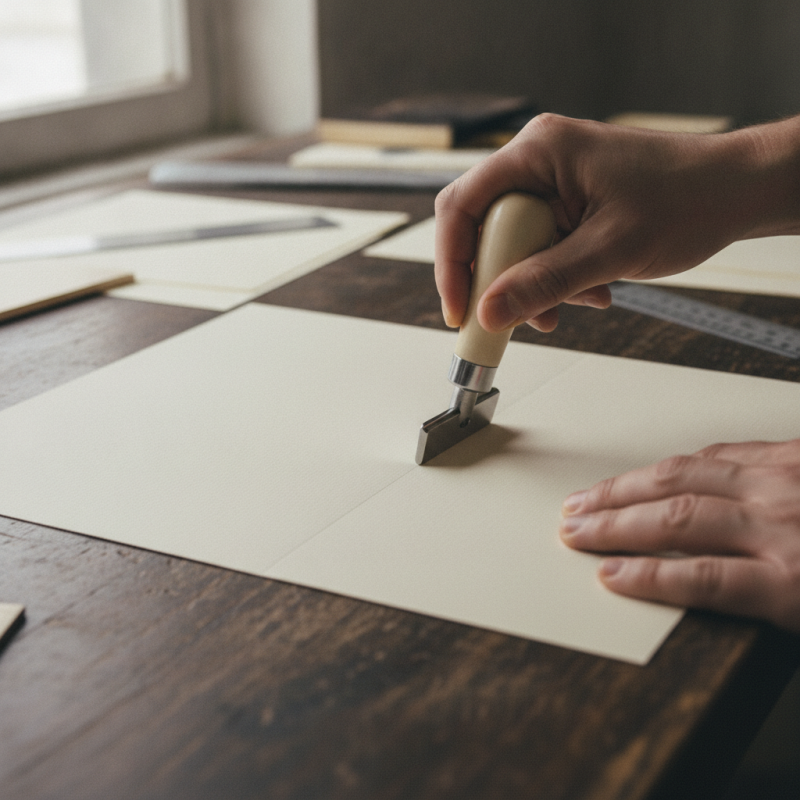
Why Is My Creasing Tool Not Leaving A Visible Fold Line?

Understanding the Purpose of a Creasing Tool in Crafting

A creasing tool is essential in crafting. It creates fold lines, ensuring precise and clean edges on paper. Many crafters rely on this tool, thinking it guarantees a professional finish. However, not every use yields visible results. Understanding the tool's purpose is critical to achieving clarity in your projects.

Creasing tools work by compressing the fibers of the paper, making it easier to fold. Yet, a 2022 industry report highlights that improper pressure leads to weak impressions. Many crafters forget to adjust their technique based on paper weight. Lighter papers require gentle handling, while heavier materials need firmer pressure. Over time, you'll learn to adjust your touch for various materials.

Additionally, the angle of application affects visibility. Using the tool at a steep angle may not create the desired fold line. If your lines are faint or missing, reevaluate your method. Crafting is about experimentation. Each project is a chance to refine your skills. Learning from these moments is just as vital as the techniques themselves.

Common Reasons for Inadequate Creasing Results

Creasing tools are essential in the paper and packaging industry. They create fold lines for better aesthetics and functionality. However, many users face challenges in achieving the desired results. A lack of visible fold lines can stem from various issues.

One common reason is inadequate pressure during the creasing process. A study by the Paper and Paperboard Packaging Environmental Council found that correct pressure can improve fold quality by up to 30%. Adjusting the pressure may help achieve a more pronounced crease. Additionally, the type of paper used plays a significant role. Thicker materials may not crease well with standard tools. In contrast, thicker substrates may require specialized tools for optimal results.

Temperature can also impact the effectiveness of creasing. If the paper is too cold or too dry, it might resist folds. Experts recommend keeping the cutting environment at a stable temperature and humidity level. Testing different environmental conditions can provide better insights into creasing performance. Analyzing these factors may lead to unexpected discoveries about creasing effectiveness and result in the needed improvements.

Why Is My Creasing Tool Not Leaving A Visible Fold Line? - Common Reasons for Inadequate Creasing Results

Issue Description Possible Solutions
Insufficient Pressure The creasing tool may not be applying enough pressure to create a noticeable line. Increase the pressure applied during creasing.
Dull Blade A dull or worn-out blade can fail to create a well-defined crease. Replace or sharpen the blade of the creasing tool.
Wrong Material Some materials do not crease well due to their composition. Use a different material that is known to work well with creasing tools.
Improper Tool Angle The angle at which the tool is used can affect the crease visibility. Adjust the angle of the creasing tool to enhance crease visibility.
Incorrect Speed Speeding through creasing can lead to insufficient pressure and visibility. Slow down the movement while creasing to ensure proper application.

Techniques to Ensure a Visible Fold Line

When your creasing tool fails to leave a visible fold line, it can be frustrating. One common issue is insufficient pressure. Your tool might need a firmer grip to create a clear mark. Test various angles while applying pressure. Sometimes, just a slight adjustment can enhance the creasing effect.

Another factor is the material you're using. Thicker paper or certain textures require more force for a noticeable crease. Always assess the type of paper before starting your work. Experimenting with different tools might also yield better results. Using the right tool can make a significant difference in achieving crisp lines.

Don't overlook the width of the crease. A narrow line may disappear easily. Instead, opt for wider creases for better visibility. If your folds aren't aligning, try measuring and marking first. This can help keep everything in place. Remember, it's all about practice. Don't be discouraged by initial failures. Each attempt teaches valuable lessons.

Material Considerations: Impact on Creasing Effectiveness

When using a creasing tool, the material plays a crucial role in achieving visible fold lines. Different materials respond uniquely to the pressure applied by the tool. For instance, thick or fibrous materials may resist creasing. This can lead to subtle lines that are difficult to see. If your tool is not leaving a prominent fold line, it might be time to examine what you're using.

Tips: Always test your creasing tool on a scrap piece of the same material. This allows you to adjust the pressure without wasting your main materials. Sometimes, a lighter touch works better than heavy pressure.

Additionally, consider the grain direction of your material. Folding against the grain often produces poor results. You may need to flip the material and try again for a cleaner crease. Understanding how your chosen material behaves can make a significant difference in your results.

Even with the right tool, you may occasionally encounter challenges. It’s essential to adapt your technique based on material characteristics. Track any issues and refine your approach over time. This learning process can lead to better outcomes. Don't shy away from experimenting with different settings and techniques.

Creasing Effectiveness Based on Material Types

Maintenance Tips for Your Creasing Tool for Better Performance

Maintaining your creasing tool is essential for achieving crisp, visible fold lines. Regular upkeep can help avoid frustrating issues. Dust and debris can settle on the tool, obstructing its effectiveness. A simple cleaning routine can tremendously enhance performance. Use a soft cloth to wipe down surfaces after every use. Ensure the grooves are clear, so they do not cause uneven creases.

Inspecting the blade is equally important. A dull or damaged blade will fail to create defined lines. Use a fine sharpening tool to keep it in optimal condition. This task may seem minor, but it can make a significant difference in the quality of your work. Perform this check regularly.

Additionally, consider the materials you use. Some paper types may not yield the best results. Experiment with different stocks for clearer impressions. If you still struggle with fold lines, reflect on your technique. Adjust your pressure and speed while using the tool. Small changes can lead to better outcomes.

FAQS

: What is the main purpose of a creasing tool in crafting?

: A creasing tool creates fold lines, resulting in precise and clean edges on paper.

Why might my creasing tool not produce visible results?

Improper pressure or angle can lead to faint or missing lines. Technique adjustment is necessary.

How does paper weight affect the use of a creasing tool?

Lighter papers need gentle pressure, while heavier materials require firmer handling for effective creasing.

What should I do if the material I'm using resists creasing?

Test on a scrap piece first and adjust the pressure to see what works best for that material.

How can I improve my technique with a creasing tool?

Keep track of any issues and experiment with different settings to refine your skills over time.

What routine maintenance should I perform on my creasing tool?

Regularly clean it and ensure the blade is sharp for effective performance and clearer fold lines.

How does material grain direction impact creasing results?

Folding against the grain often results in poor creases, so consider flipping the material for better outcomes.

What can I do if I am not achieving crisp fold lines?

Reflect on your technique and adjust pressure and speed to improve your results with the tool.

Is it important to clean my creasing tool after each use?

Yes, dust and debris can affect performance, so wipe it down regularly to maintain efficiency.

Can experimenting lead to better results when using a creasing tool?

Yes, crafting is about trial and error. Learning from each project is crucial for skill improvement.

Conclusion

In the article titled "Why Is My Creasing Tool Not Leaving A Visible Fold Line?", various aspects of creasing tools are explored to help users achieve optimal results in their crafting projects. The primary focus is on understanding the purpose of these tools, which is to create crisp, visible fold lines essential for professional-looking finishes. The article discusses common reasons for inadequate creasing results, such as improper technique or unsuitable materials.

To address the question of "Why is my creasing tool not leaving a visible fold line?", the piece provides practical techniques to ensure a noticeable crease, including adjusting pressure and angle during use. Additionally, it highlights the importance of selecting appropriate materials that enhance creasing effectiveness and offers maintenance tips to keep the creasing tool in top condition. Overall, the article serves as a comprehensive guide for crafters seeking to improve their creasing techniques and achieve better outcomes.

Oliver

Oliver

Oliver is a seasoned marketing professional with a wealth of expertise in driving brand awareness and engagement. With a deep understanding of our company's product offerings, he consistently delivers high-quality content that enriches our professional blog. His insights not only shed light on......