When operating a CNC knife, encountering issues can be frustrating. One common problem is, "Why is my CNC knife tearing the fabric instead of cutting?" This question highlights a significant challenge in fabric cutting, which requires precision and reliability. Understanding the root causes can help improve the cutting process and enhance overall outcomes.
Various factors can lead to fabric tearing. Blade dullness, incorrect settings, or wrong material types can contribute to this issue. A dull blade may fail to cut cleanly, resulting in jagged edges. Improper cutting speed can also create excess tension on the fabric, causing tears. Moreover, the chosen material might not be compatible with your CNC settings, leading to unexpected results.
Reflecting on these issues is crucial. Ignoring the intricacies of material properties and machine settings can lead to mistakes. It is essential to assess both the equipment and the technique being used. Adequate training and knowledge can minimize errors and boost productivity. Addressing the problem effectively means finding the balance between the right tools and methods to achieve the desired results.
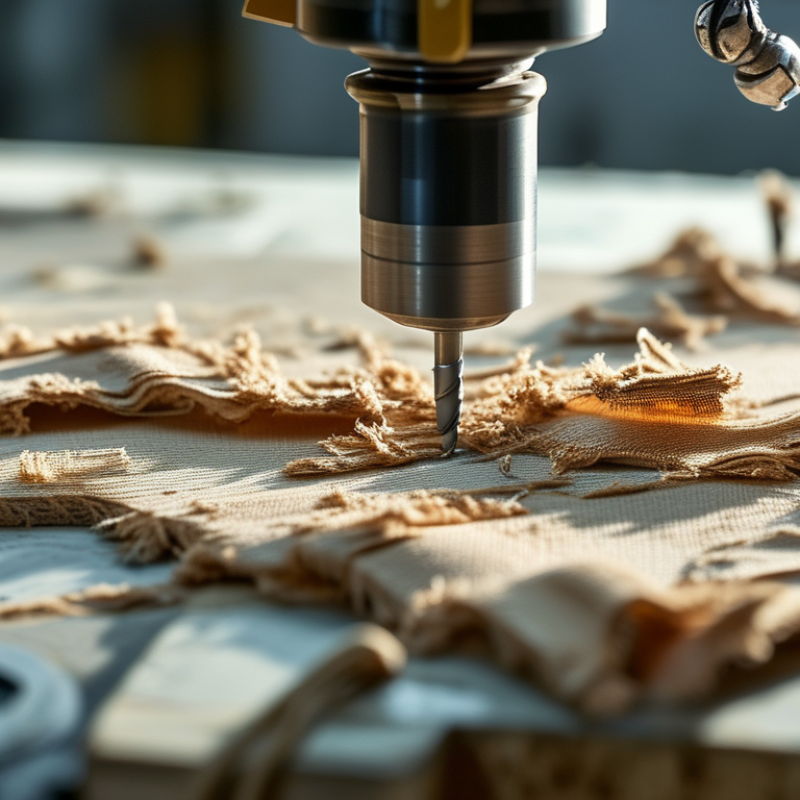
CNC knife fabric tearing and poor cutting performance can stem from several common issues. Understanding these can help optimize production. One frequent cause is dull or damaged blades. A study by the National Institute of Standards and Technology indicates that regular blade maintenance can enhance performance by up to 30%. A clean, sharp blade ensures precision cuts, reducing fabric tearing significantly.
Another contributing factor is incorrect material settings. Using the wrong speed or pressure can lead to uneven cuts. Research shows that adjusting the cutting speed to match the fabric type can improve accuracy immensely. For instance, thicker materials require slower speeds to minimize tearing.
Tips: Regularly inspect and replace blades as needed. Keep a log of blade performance to track wear. Ensure your machine settings match the fabric specifications. Testing cuts on scrap pieces can save time and material. With careful adjustments, you can enhance the overall cutting outcome, making CNC operations more efficient and effective.
| Cause | Description | Impact on Cutting Performance | Possible Solutions |
|---|---|---|---|
| Dull Blade | A blade that has lost its sharpness can tear fabric instead of cutting cleanly. | Increased fabric tearing and frayed edges. | Replace or sharpen the blade regularly. |
| Incorrect Blade Type | Using an unsuitable blade for specific fabric types can lead to poor cutting. | Improper cuts and increased material damage. | Ensure the blade is appropriate for the fabric being cut. |
| Improper Settings | Settings such as speed and pressure may not be optimized for the fabric. | May result in uneven cuts and fabric distortion. | Adjust machine settings according to fabric type and thickness. |
| Fabric Quality | Low-quality fabric can cause inconsistent cutting performance. | Increased likelihood of tearing and fraying. | Use higher quality materials for better cutting results. |
| Faulty Machine Calibration | Misalignment or incorrect calibration of the CNC machine can lead to cutting issues. | May cause uneven cuts and increase the risk of fabric damage. | Regularly calibrate and maintain the CNC machine. |
: Cutting speed influences the performance of CNC knife systems. Ideal speeds are usually 60 to 120 inches per minute.
The feed rate can disrupt cutting. A feed rate that's too fast can overwhelm the knife, causing issues.
An imbalance can lead to uneven cuts, fabric tearing, and bunching. Finding a balance is crucial for success.
Regular maintenance prevents dull blades, which can cause uneven cuts and tearing of fabric. Inspect often for wear.
A clean blade ensures precision. Dust and debris can hinder cutting, leading to various fabric issues over time.
The right lubricant reduces friction and maintains knife performance. Even high-quality knives need proper lubrication.
Closely observe the fabric during cutting. Incrementally adjust feed rates for better outcomes and smoother cuts.
Check cutting speed and feed rate. Ensure your knife is sharp and well-maintained to avoid tearing issues.
Proper calibration is vital. Misalignment can make the knife drag, resulting in tearing instead of clean cuts.
Keep a record of inspections, blade replacements, and adjustments. This helps identify recurring issues for better management.
When facing the issue of "Why is my CNC knife tearing the fabric instead of cutting," it's crucial to explore several common causes that contribute to fabric tearing and poor cutting performance. Factors such as the blade type used can significantly impact the quality of the cut, with varying shapes and materials serving distinct purposes. Additionally, the cutting speed and feed rate must be optimized for different fabrics to achieve clean cuts, as too high or too low settings can lead to tearing.
The thickness and composition of the material also play a vital role in the CNC cutting process, as some blades may not be suited for thicker or more resilient fabrics. Regular maintenance of CNC knives is essential to prevent fabric tearing issues, as dull or damaged blades can exacerbate cutting problems. By understanding these elements, users can better troubleshoot and resolve issues, ensuring a smoother cutting process.

 Deepit Cutter