How to Properly Calibrate a Kiss-Cut Knife for Precision?

Time:2026-05-22 Author:Sienna
0%

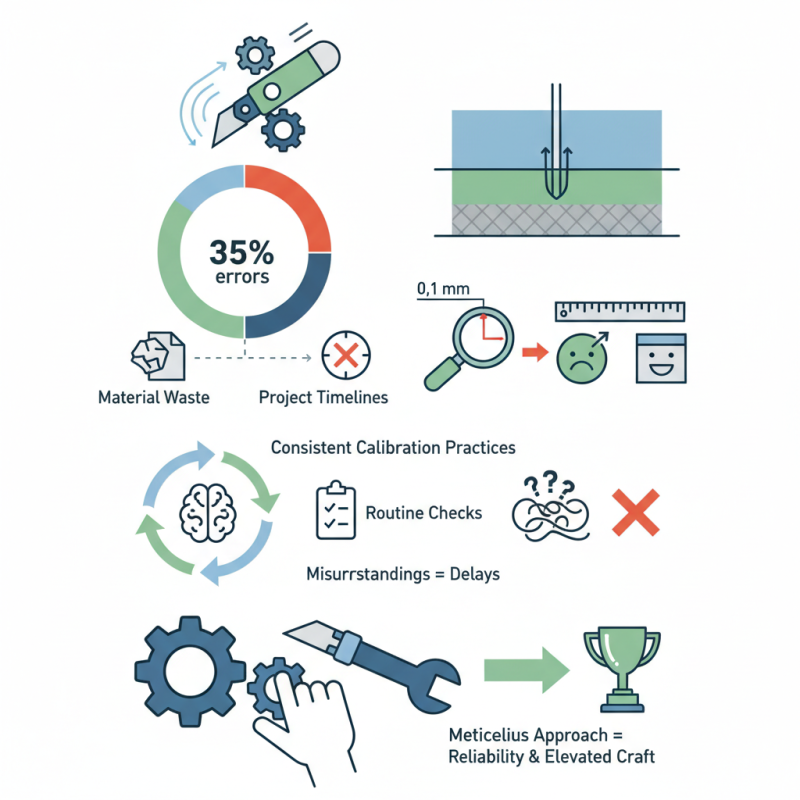
A well-calibrated kiss-cut knife is essential for achieving precision in various applications, from packaging to crafting. Proper calibration directly impacts the quality of the cut and the efficiency of production processes. According to industry reports, 35% of errors in production are linked to improper knife settings. This variation affects both material waste and project timelines.

Understanding how to calibrate the depth of a kiss-cut knife can make a significant difference. The depth must be precise to ensure that the knife cuts through the top layer while leaving the backing intact. Minor adjustments can lead to major improvements. In fact, a mere 0.1 mm deviation can alter the entire outcome of a project.

Moreover, consistent calibration practices enhance overall productivity. However, many professionals overlook the importance of routine checks. Reflection on calibration methods reveals common pitfalls. Misunderstandings about required depths can lead to production delays. By embracing a meticulous approach, operators can elevate their craft and ensure reliability in outcomes.
How to Properly Calibrate a Kiss-Cut Knife for Precision?

Understanding the Components of a Kiss-Cut Knife

A kiss-cut knife is a specialized tool in precision cutting. Understanding its components is crucial for effective use. The blade, typically flat and sharp, provides the cutting edge necessary for accurate cuts. It is essential to ensure the blade is clean and well-maintained. Any debris on the blade can lead to uneven cuts.

Next is the backing material. This offers support, preventing the blade from cutting too deep. The depth must be calibrated carefully. If set too shallow, the cuts may not penetrate the backing adequately. However, setting it too deep can damage the material underneath.

The pressure applied during cutting is also vital. Too much pressure can cause the blade to skip or tear the material. Finding the right balance takes time and experience. Many users make mistakes initially, often overthinking the pressure needed. Understanding these components not only improves precision but also enhances overall workflow.

Determining the Proper Blade Depth for Kiss-Cutting

Kiss-cutting requires the right blade depth for precision. Too deep, and you cut through the backing. Too shallow, and the adhesive film won’t separate easily. Finding that balance is crucial for a successful cut.

To determine the proper blade depth, start with a test. Use a scrap piece of material. Gradually adjust the blade until you find the sweet spot. A good depth allows the knife to cut the top layer but leaves the backing intact. Even small adjustments can make a big difference. It’s best to perform multiple tests for accuracy.

After setting the depth, always check your cuts. Inspect them closely. Are they clean? Do they peel easily? If not, re-evaluate your settings. Calibration is an ongoing process. Don’t rush. Precision takes time and careful adjustments. It’s about understanding your materials and tools better.

Adjusting the Knife Pressure for Optimal Results

Calibrating the knife pressure is crucial for achieving precision in kiss-cutting. The right pressure ensures that materials are cut accurately without damaging the backing. Start by using a test material similar to your actual project. Adjust the pressure gradually, noting how deep the blade penetrates. If it cuts too deeply, it can tear the substrate. If it doesn’t cut enough, you may be left with incomplete cuts.

Consider the type of material you are working with. Different materials require different knife pressures. For instance, thicker materials need more pressure, while delicate films need less. Use a ruler or caliper for accurate measurements. It's easy to overestimate or underestimate the pressure required. Take your time and document each adjustment, so you can replicate the settings.

Sometimes, trial and error is essential. Don’t be discouraged if the first calibration isn’t perfect. Learn what works and what doesn’t. Adjust as necessary based on your observations. Fine-tuning the pressure not only enhances the cut quality but also improves overall efficiency. Aim for consistent results, and be patient with the process. Precision in calibration is a skill that develops with practice.

Testing Calibration with Sample Materials

When testing the calibration of a kiss-cut knife, using sample materials is crucial. Choose a range of materials for testing. These could include paper, vinyl, and adhesive-backed materials. Each material has unique properties that affect cutting performance. For instance, thicker materials require different pressure settings.

Cut a sample from each material. Observe how well the knife penetrates the surface. An ideal cut should go through the top layer without damaging the backing. If the knife cuts too deep, it indicates excess pressure. Conversely, if it fails to penetrate, the pressure might be too low. Document your findings for future reference.

Adjustment is an ongoing process. Initial tests may yield inconsistent results. Experimenting with blade angles and pressure can lead to improvements. Don’t be discouraged by initial failures. Every test provides insights for better calibration. Precision in cutting is achieved through patience and practice.

Calibration Performance of Kiss-Cut Knife

Maintaining Your Kiss-Cut Knife for Long-Term Accuracy

Maintaining your kiss-cut knife is essential for achieving long-term accuracy. Regular maintenance ensures optimal performance and longevity. According to industry reports, a well-maintained knife can last up to five times longer than one that’s neglected. Always inspect your knife before each use. Look for any signs of wear or damage.

To maintain precision, clean the blade after each use. A simple wipe with a damp cloth can prevent residue buildup. Regularly lubricate moving parts to reduce friction. Consider using a light machine oil to keep the knife functioning smoothly. Also, check the blade's sharpness regularly. A dull blade can lead to inaccuracies and uneven cuts.

Tip: If you notice the blade struggling, it may be time for a professional sharpening. This service can restore the edge better than most DIY methods. Consult user manuals for specific maintenance protocols. Don’t overlook the storage of your knife. A protective case can prevent accidental damage. These practices help ensure your kiss-cut knife will deliver precision cuts for years to come.

FAQS

: What is kiss-cutting?

: Kiss-cutting gently cuts through the top layer of a material without damaging the backing.

Why is the blade depth important?

Proper blade depth ensures clean cuts and allows easy peeling of the adhesive film.

How do I find the right blade depth?

Test on a scrap piece. Adjust the blade gradually to find the ideal depth for your material.

What happens if the blade is too deep?

A deep cut can go through the backing, making the material unusable and messy.

How can I calibrate knife pressure?

Start with a similar test material. Adjust the pressure slowly and observe the cut quality after each change.

What do I do if my cuts aren't clean?

Inspect your settings. If cuts are rough, you may need to adjust the blade depth or pressure.

How important is material type in calibration?

Material type affects cutting performance significantly. Thicker materials need more pressure, while thinner materials require less.

Can I learn from mistakes during calibration?

Yes, every initial failure offers valuable insights. Adjust settings based on what you observe to improve future cuts.

Should I document calibration settings?

Absolutely. Documenting settings helps replicate successful results in future projects, ensuring consistency.

Is precision calibration a quick process?

No, it's a skill that requires practice and patience. Take your time to achieve the desired results.

Conclusion

Proper calibration of a kiss-cut knife is essential for achieving precision in cutting tasks. To start, it's important to understand the components of the kiss-cut knife, including the blade and the pressure settings. A critical aspect of this process is learning how to calibrate the depth of a kiss-cut knife. This involves determining the optimal blade depth for the materials you're working with, ensuring that the cut goes through the top layer but not the backing material.

Once the depth is set, adjusting the knife pressure is crucial for delivering consistent, clean cuts. It’s advisable to test the calibration using sample materials to ensure accuracy before moving on to production work. Finally, regular maintenance of your kiss-cut knife will help sustain its performance and ensure long-term accuracy, allowing you to produce quality cuts every time.

Sienna

Sienna

Sienna is a skilled marketing professional with a deep expertise in our company’s core products and services. With a passion for innovation and detail, she plays a pivotal role in crafting insightful blog posts that not only highlight the unique features of our offerings but also provide valuable......