Choosing the right CNC knife for different materials is crucial for optimal performance. The process might seem straightforward, but it involves various considerations. Each material has unique properties that influence the knife’s effectiveness. Understanding these properties can enhance precision and efficiency in cutting.
Different CNC knives cater to distinct materials, such as wood, metal, and plastic. It’s essential to match the knife’s design with the material’s characteristics. For instance, metals require sharper blades that can withstand heat. On the other hand, softer materials may need blades that minimize tearing.
When selecting a CNC knife, consider factors like blade shape, coating, and material compatibility. This decision can impact production quality and costs. The right choice can reduce waste and improve turnaround times. Not every knife will be perfect; some may require adjustments during use. Reflecting on past experiences can guide future selections. Aim for a balance between efficiency and precision.
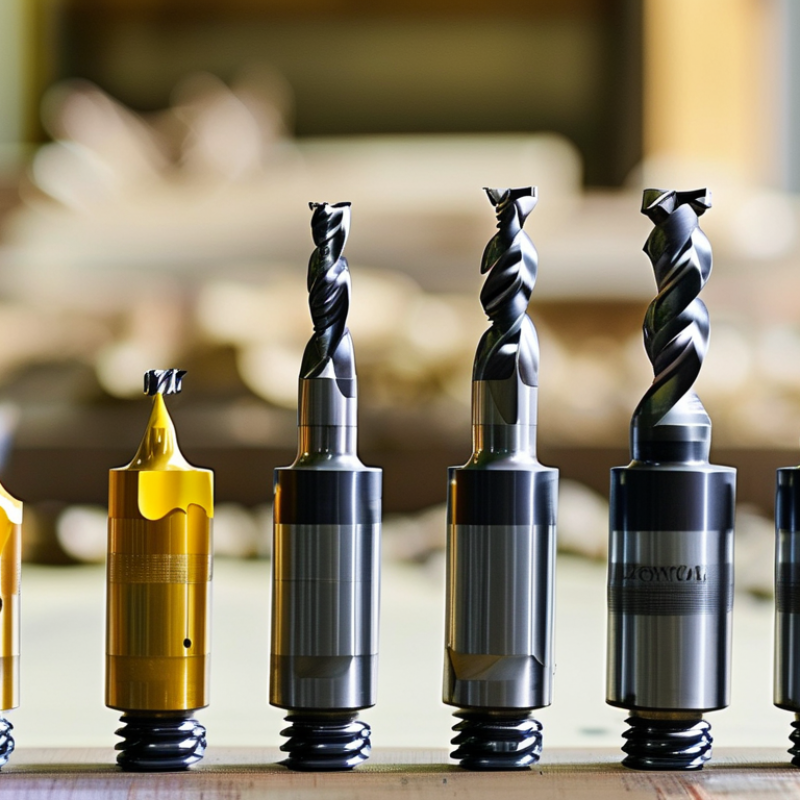
When selecting the right CNC knife, understanding the material is crucial. Different materials have unique properties that dictate the blade's performance. For instance, softer materials like foam require a different blade shape and sharpness compared to harder metals. This makes it essential to consider the material's density, thickness, and flexibility.
One tip is to assess the cutting speed. Materials that are denser might slow down the cutting process. Adjusting the CNC machine's speed can help achieve cleaner cuts. Another point to consider is the knife's geometry. The blade's angle can impact the quality of the cut. For intricate designs, a finer blade may yield better results.
Materials also have varying resistance levels. Some can dull a blade quickly, leading to more frequent replacements. Regular maintenance of your CNC knife will prolong its life. It's essential to reflect on your material options and their impact on your project. Making informed decisions today will lead to better outcomes tomorrow.
When selecting a CNC knife, material compatibility stands as a critical factor. Each knife type is designed with specific materials in mind. For instance, carbide-tipped knives excel in cutting tougher materials, while high-speed steel knives are better for softer substrates. According to industry reports, around 40% of CNC knife failures can be attributed to poor material compatibility. Thus, understanding the attributes of your workpiece is essential.
Different materials require tailored approaches. For example, a knife meant for acrylic may not perform well on composite materials. This can lead to poor cuts and increased wear on the knife. Research indicates that versatility in blade choice can increase efficiency by up to 30%. It’s crucial to analyze the density, hardness, and thickness of your materials before making a decision.
In some situations, users may underestimate the significance of choosing the right knife. A mismatched knife can result in wasted materials and time. Regular feedback from professionals in the field emphasizes the importance of aligning knife types with specific workpieces. Just because a knife can cut a certain material does not mean it can do so effectively. Proper assessment can save costs and enhance productivity.
| Material Type | Recommended Knife Type | Blade Material | Cutting Speed (mm/min) | Thickness Compatibility (mm) |
|---|---|---|---|---|
| Acrylic | Straight Knife | High-Speed Steel | 600 | 1-10 |
| Wood | Tipped Knife | Carbide | 300 | 5-25 |
| Foam | Wave Knife | Titanium Coated | 500 | 10-50 |
| Textiles | Circular Knife | Stainless Steel | 400 | 1-15 |
| Plastics | Straight Knife | High-Speed Steel | 700 | 1-20 |
Choosing the right CNC knife is crucial for effective cutting. Evaluating knife geometry plays a significant role in achieving optimal performance. Knife geometry includes angles, shapes, and thickness. These factors influence the cutting efficiency and quality of the finished product. For instance, a study from the Journal of Manufacturing Processes indicates that adjusting the cutting angle by just 5 degrees can increase the life of a blade by up to 30%.
When assessing knife geometry, consider the material being cut. Different materials require specific blade shapes and angles. For softer materials like foam, a broader cutting edge can facilitate smoother cuts. Conversely, harder materials demand sharper, narrower blades for precision. A poor match can lead to reduced performance and wasted materials. Therefore, aligning the knife geometry with your material is essential.
Tip: Evaluate the knife's rake angle. A positive rake angle reduces cutting force, improving efficiency. However, it may not be ideal for all materials. Tip: Pay attention to the knife's thickness. Thinner blades can cut more intricately but may lack durability. Balancing these factors can lead to better cutting outcomes. Remember, it's important to experiment and adjust based on real-world results. Understanding the nuances of knife geometry makes a noticeable difference in manufacturing processes.
When choosing a CNC knife, the blade material and coating heavily influence longevity and precision. Industry studies reveal that high-speed steel (HSS) blades often provide great wear resistance. They are usually more affordable but might dull faster than carbide blades.
Carbide blades, while pricier, maintain a sharp edge longer. Reports indicate a 30% increase in cutting efficiency due to their durability. Coatings like titanium nitride (TiN) can further enhance performance. This coating improves hardness, allowing for smoother cuts and reducing friction.
Understanding these materials is crucial. A blade that wears down quickly can lead to inaccuracies in production. Additionally, using the wrong material for a specific application can compromise the quality of the finished product. It's essential to reflect on these factors before making a choice. Not all blades are created equal, and the wrong decision can have lasting ramifications.
When selecting a CNC knife, balancing cost and quality is crucial. A study by TechNavio revealed that the global CNC machine market is expected to grow by 10% annually over the next five years. This growth highlights the increasing reliance on CNC technology across industries. However, not all CNC knives are created equal. Lower-priced options often compromise on material quality and precision. A cheaper knife might save money upfront, but it could lead to additional costs in repairs and replacements.
Investing in a higher-quality CNC knife can yield better long-term results. According to a report from Grand View Research, professional-grade CNC knives can improve efficiency by up to 30%. High-quality knives offer better cutting precision, reducing material waste. This attribute is vital, especially when working with expensive materials. A poor-quality tool can lead to errors that significantly impact production timelines and overall costs.
It's important to analyze your specific needs before making a purchase. Reflect on the materials you use and the level of precision required. A high-quality knife suitable for one material may not perform well on another. Quality should align with your production goals. Sometimes, a premium price tag is justified by the value and reliability the tool offers.
: Material compatibility means choosing knives designed for specific materials. Using the wrong knife can cause failures and inefficiencies.
A mismatched knife may lead to poor cuts and wasted materials. It can also waste your time and increase costs.
Knife geometry includes angles and shapes that influence efficiency and product quality. A proper match enhances cutting performance.
Consider the material being cut. Softer materials need wider cutting edges, while harder ones require sharper, narrower blades.
High-speed steel blades offer good wear resistance but may dull quickly. Carbide blades last longer and improve cutting efficiency.
Coatings like titanium nitride enhance hardness and reduce friction. They can lead to smoother cuts and improve blade longevity.
Yes, changing the cutting angle by a few degrees can significantly extend blade life and improve cutting results.
A positive rake angle can reduce cutting force, improving efficiency. However, it might not work well for all materials.
Using the wrong knife can result in inaccuracies and a poor-quality finished product. Reflecting on this is crucial for success.
Yes, experimenting and adapting based on results can help you find the best knife for your materials and improve your processes.
When considering how to choose the right CNC knife for different materials, it is essential to understand various factors that influence selection. One should start by assessing the specific materials being processed, as each type requires a compatible knife. This includes evaluating the geometry of the knife, which can significantly impact cutting performance. Additionally, the choice of blade materials and coatings plays a crucial role in ensuring longevity and precision during operation.
Moreover, it's important to strike a balance between cost and quality when making budget decisions for CNC knives. By considering material compatibility, knife geometry, and blade durability, users can make informed selections that enhance productivity and efficiency in their CNC processes. Ultimately, the right knife choice maximizes performance and reduces maintenance needs, making a significant difference in production outcomes.

Deepit Cutter